
If you want a more finished look beneath your porch, there are plenty of alternatives to traditional wood lattice, including options that may better suit your home’s style and practical needs.
You’re probably familiar with traditional porch lattice. It appears in many popular porch designs and has a certain style and charm, but it isn’t the only way to conceal the open space below a porch. If you’re looking to freshen up your exterior, materials such as wood planks, stone, brick, and decorative panels can give it a more distinctive finish.
Below, we’ll look at some of the most popular porch lattice alternatives and the character each one can bring to your home. Beyond improving the overall appearance of your porch, the right option may also provide ventilation, discourage animals from entering, or make better use of the space underneath.
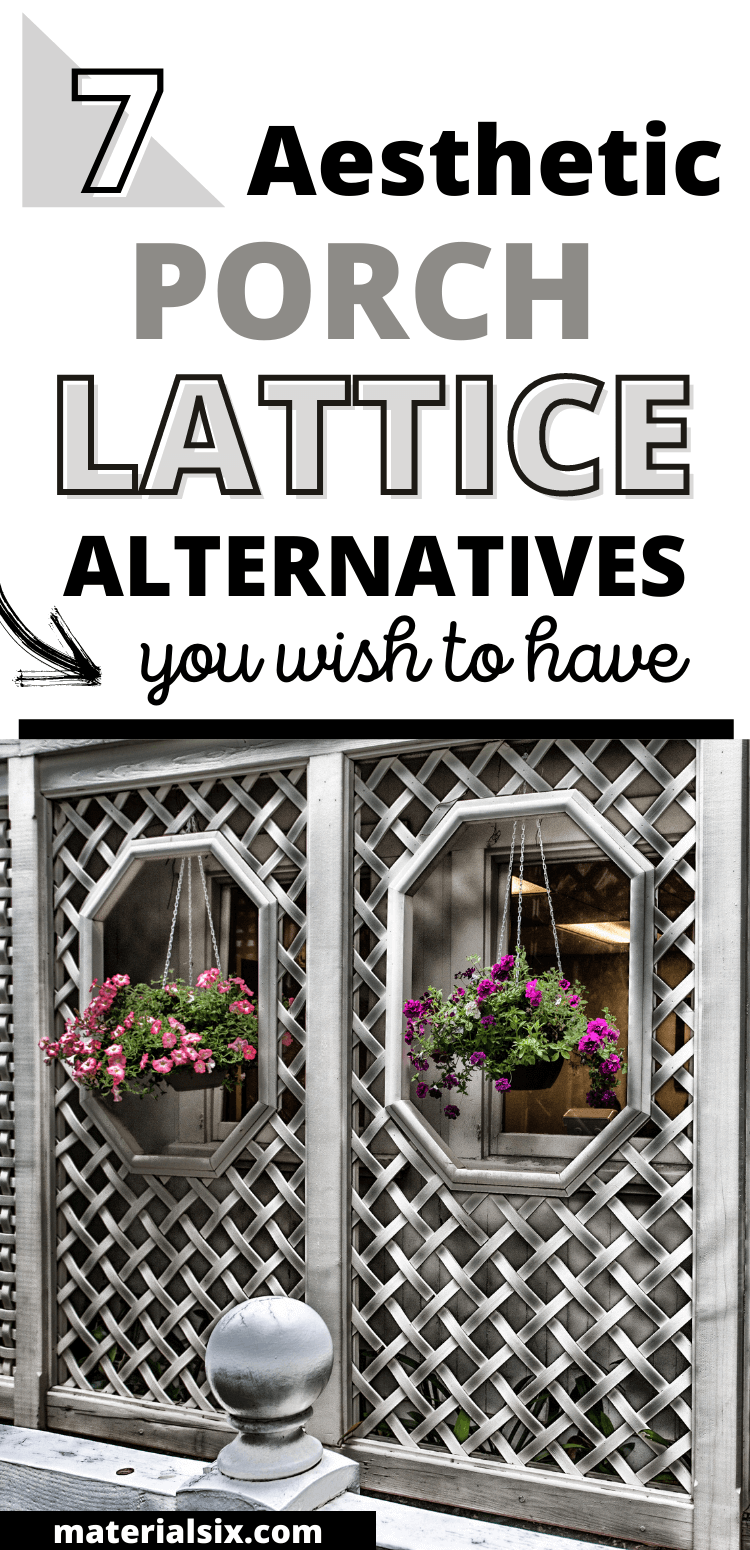
Porch Lattice Alternatives to Consider
1. Classic Vertical Wood Planks
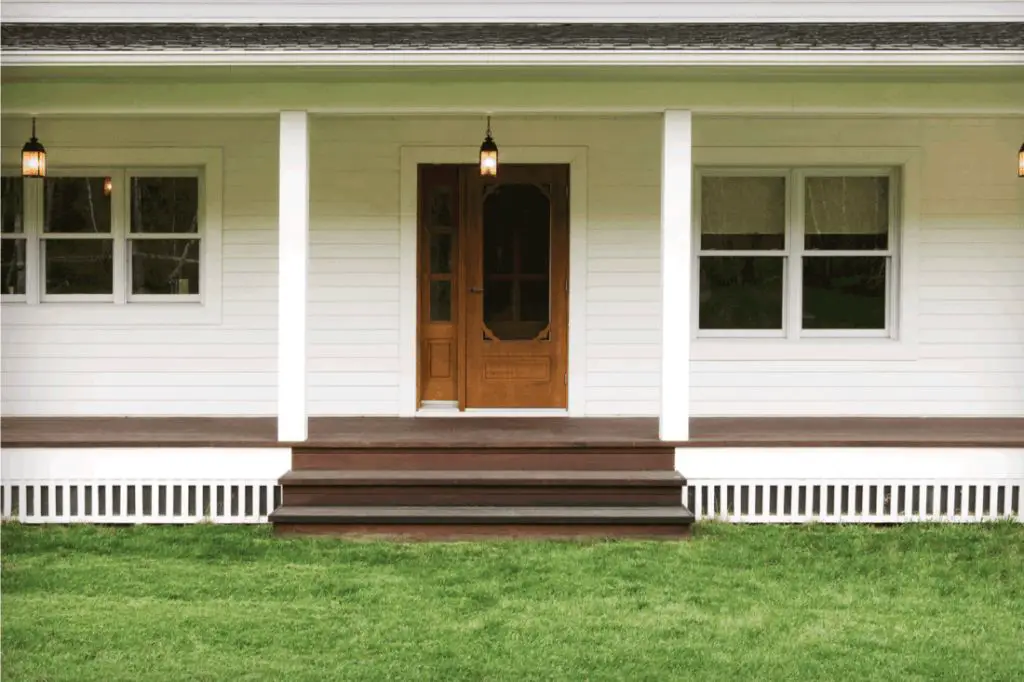
Vertical wood planks create clean lines that can make a porch appear taller. They provide more coverage than traditional lattice and can be painted or stained to complement the color of your porch and home exterior.
For better durability, choose pressure-treated lumber or a naturally rot-resistant wood suitable for outdoor use. Leaving small, even gaps between the planks will also allow air to circulate beneath the porch while maintaining a clean and finished appearance.
2. Horizontal Wood Planks
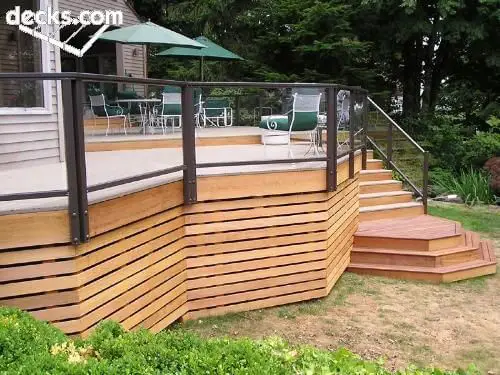
Horizontal wood planks give porch skirting a clean, modern appearance while emphasizing the width of the porch. The boards can be installed in evenly spaced rows, slightly overlapped, or arranged in a custom pattern depending on the amount of coverage and ventilation you need.
Natural wood brings warmth and texture to the exterior, but the planks can also be stained or painted to coordinate with the porch, siding, or trim. Consistent spacing between the boards helps the finished skirting look neat while allowing air to circulate beneath the porch.
Related: 16 Stunning Deck Decorating Ideas on A Budget
3. Decorative Patterned Wood Panels
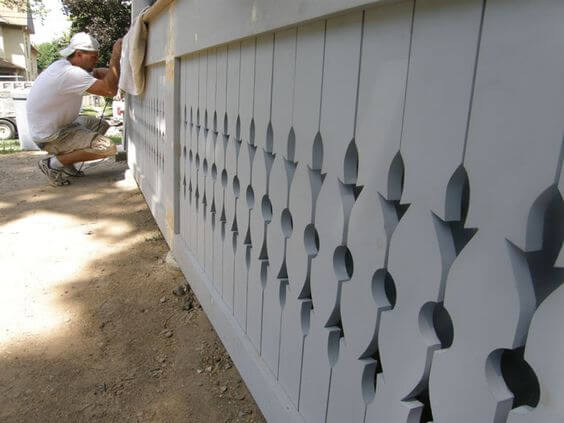
Patterned wood panels offer a more decorative alternative to standard porch lattice. The wood can be cut into circles, triangles, or other geometric shapes, giving the porch skirting a distinctive look without losing the warmth of a natural material.
Panels can be installed with open sections for ventilation or arranged more closely for additional coverage. Because cut edges are more exposed to moisture, using exterior-grade wood and applying a suitable protective finish will help the panels withstand outdoor conditions.
4. Faux Stone Skirting
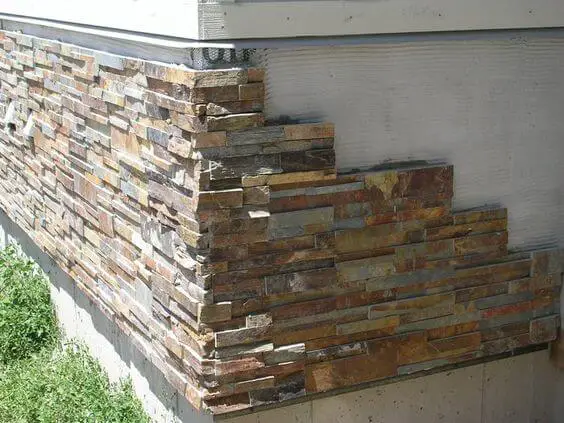
Faux stone skirting gives the base of a porch a substantial, finished appearance without the weight and installation demands of natural stone. These panels are available in a variety of colors and stone patterns, making it easier to coordinate the skirting with the home’s siding, foundation, or other exterior details.
Because faux stone usually comes in sections, installation can be faster than building with individual stones. Proper preparation is still important, especially around corners, vents, and access points beneath the porch. Choosing panels made for exterior use will also help the finish hold up against moisture and changing weather conditions.
5. Brick or Natural Stone Skirting
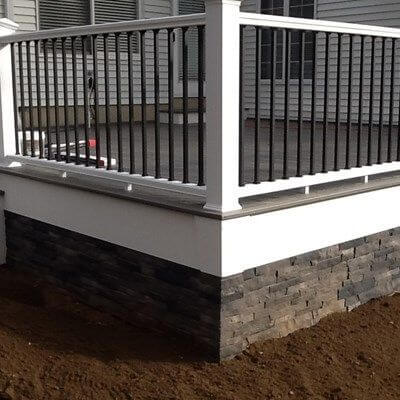
Brick and natural stone can give porch skirting a permanent, architectural appearance that blends naturally with the rest of the home. When choosing the material, consider the color and texture of the siding, porch columns, steps, and existing masonry so the finished base feels connected to the overall exterior.
Unlike lightweight faux stone panels, real brick and stone are heavier and are typically installed with mortar. Professional installation may be needed to provide proper support, drainage, ventilation, and access to the space beneath the porch. Although this option often costs more, it can create a durable and polished finish.
6. Low-Maintenance Vinyl Lattice
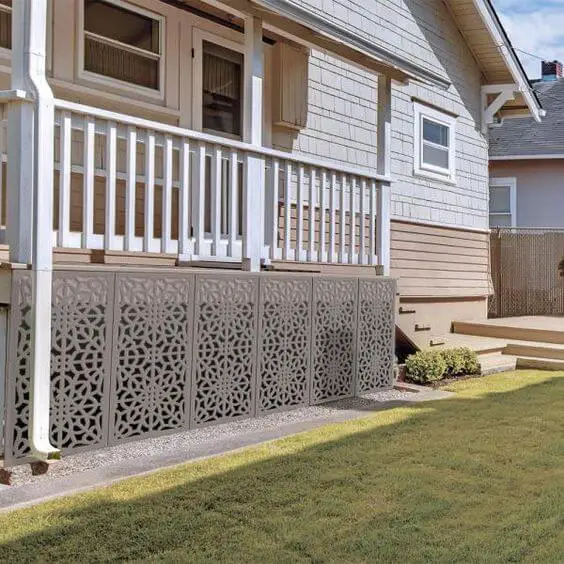
Vinyl lattice retains the familiar open pattern of traditional lattice while offering a lower-maintenance alternative to wood. It does not require regular staining or painting, and it is not vulnerable to rot or insect damage in the same way untreated wood can be.
Available in several colors and decorative patterns, vinyl lattice can complement both traditional and contemporary porches. Proper framing helps keep the panels secure, while leaving the openings unobstructed allows air to circulate beneath the porch.
7. Enclosed Under-Porch Storage
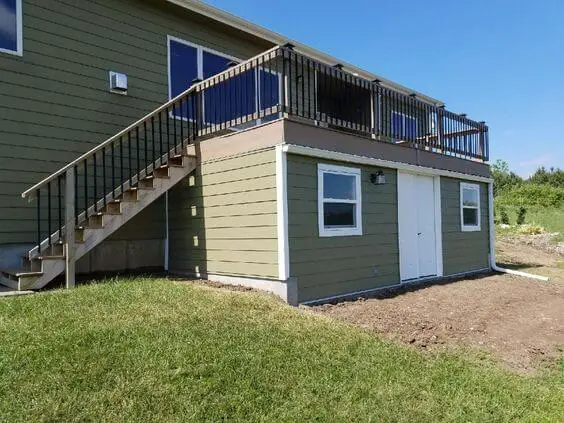
If your porch has enough clearance underneath, enclosing the area can provide both attractive skirting and useful outdoor storage. A properly fitted door keeps the space accessible for garden tools, seasonal decorations, and other items that would otherwise create clutter around the yard.
The enclosure can be finished with wood, siding, or another material that complements the home’s exterior. Plan for ventilation and drainage so moisture does not become trapped inside, and avoid storing items that could be damaged by damp conditions unless the space has been properly weatherproofed.
Looking for more ways to use this area? See these practical under-deck storage ideas.
8. Composite Skirting Boards
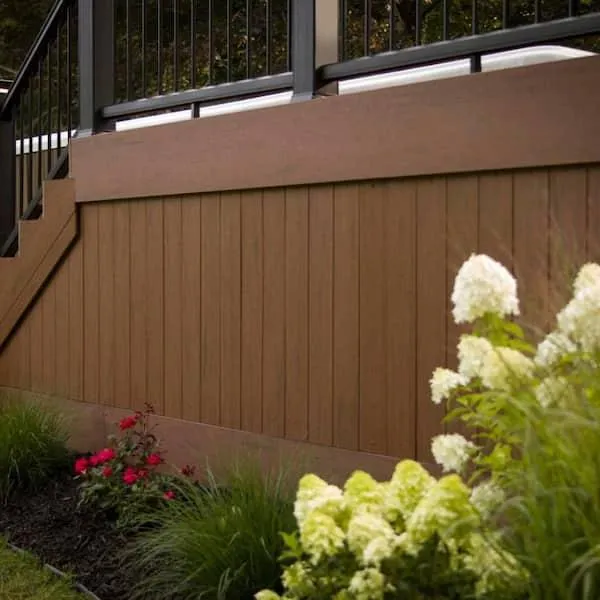
Composite skirting boards offer the warm appearance of wood without the same need for regular staining or sealing. They can be installed horizontally or vertically and are available in colors that can coordinate with the porch floor, railing, or exterior trim.
Although composite is relatively low maintenance, the boards still need a suitable supporting frame and adequate ventilation behind them. Follow the manufacturer’s instructions for spacing and fastening, since installation requirements can vary between composite products.
9. Decorative Screen Panels
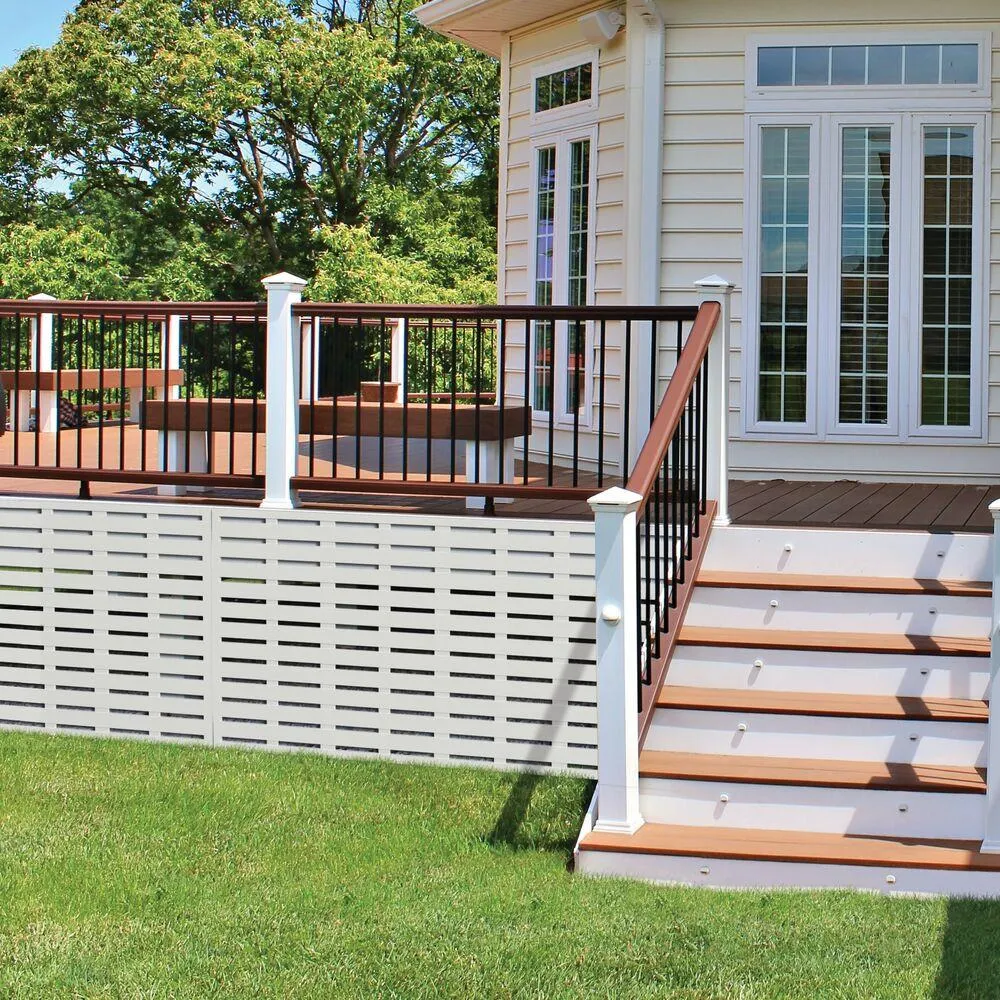
Decorative screen panels add pattern and visual interest to the space beneath a porch. Exterior-rated panels are available in several materials and designs, ranging from simple geometric cutouts to more detailed nature-inspired patterns.
The open sections allow air to circulate while partially concealing the porch structure. Install the panels within a sturdy frame and include a removable section if access is needed. If keeping small animals out is a priority, a finer wire mesh can be fitted discreetly behind the decorative panels.
10. PVC Trim Panels
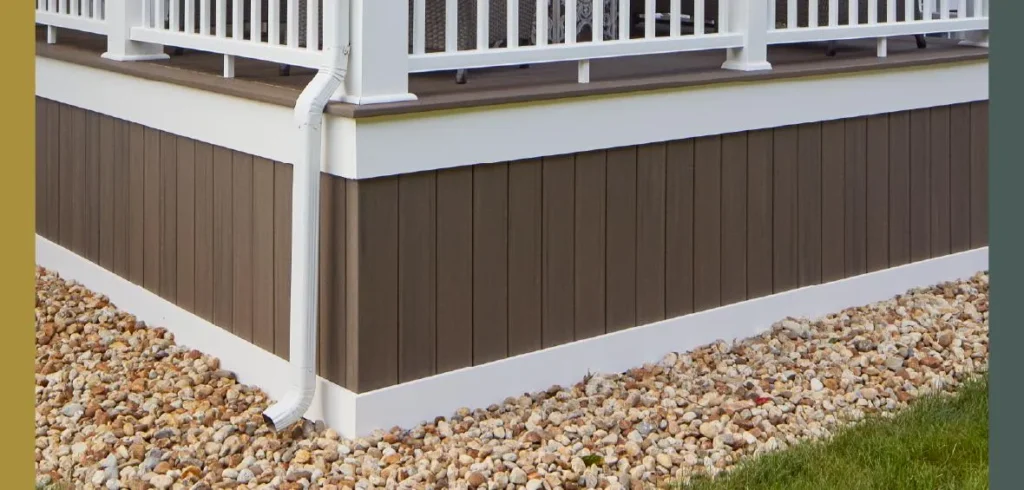
PVC trim panels create a clean, solid-looking base that works especially well with white porch columns and exterior trim. Unlike natural wood, cellular PVC does not require staining and offers good resistance to moisture, mildew, and insect damage.
Because this option provides more coverage than open lattice, ventilation should be incorporated into the design. Removable panels or an access door will also make it easier to inspect the porch structure and reach utilities beneath it.
11. Wood-Framed Wire Mesh
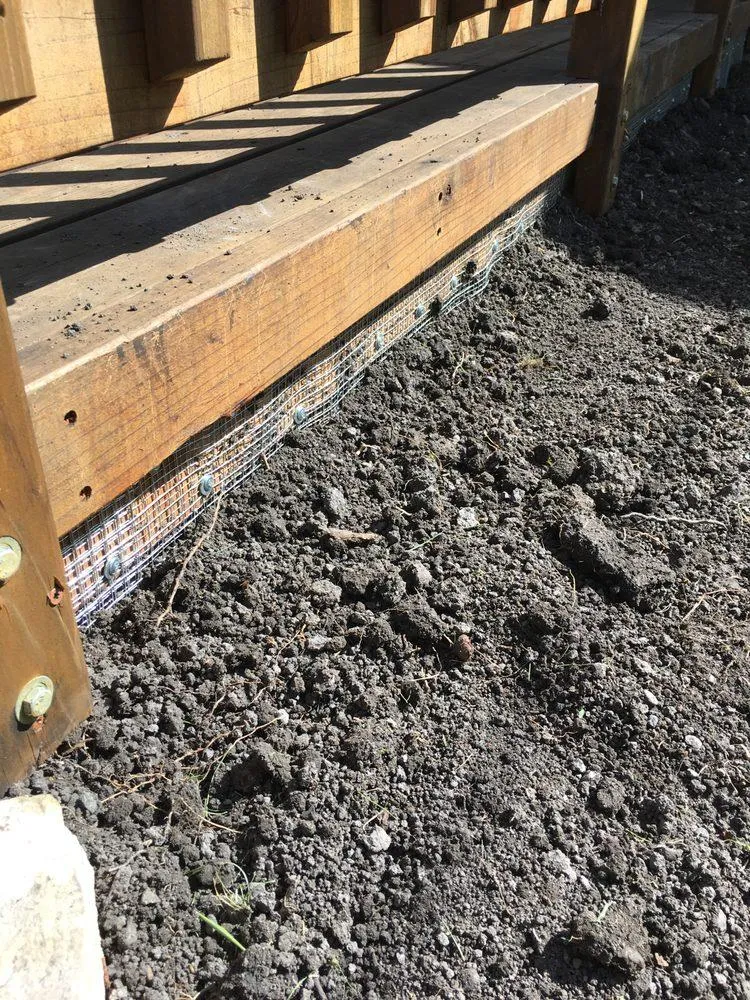
Wood-framed wire mesh is a practical choice when airflow and animal protection are more important than complete visual coverage. Galvanized or coated wire mesh can be secured inside a painted or stained wooden frame, giving the barrier a more finished appearance than exposed wire alone.
Before closing the area, make sure no animals are already living beneath the porch. Where digging animals are a concern, the bottom of the mesh may need to extend outward or below the soil. A wildlife professional can help determine the safest approach when an active den is present.
Quick Comparison of Porch Lattice Alternatives
The best porch skirting material depends on the style of your home, your budget, and how much airflow or coverage the space requires. This quick comparison can help you narrow down the options before looking at each one in more detail.
| Porch lattice alternative | Relative cost | Maintenance | Airflow | Best for |
|---|---|---|---|---|
| Vertical wood planks | $$ | Moderate | Good with spacing | Classic and traditional porches |
| Horizontal wood planks | $$ | Moderate | Good with spacing | Clean, modern exteriors |
| Patterned wood panels | $$–$$$ | Moderate | Good | Custom decorative details |
| Faux stone skirting | $$$ | Low | Limited without vents | A substantial stone appearance |
| Brick or natural stone | $$$$ | Low | Limited without vents | Permanent architectural finishes |
| Vinyl lattice | $–$$ | Low | Excellent | Familiar style with easier upkeep |
| Enclosed storage | $$–$$$ | Varies by material | Requires added ventilation | Making use of a larger space |
| Composite skirting boards | $$$ | Low | Good with spacing | A low-maintenance wood look |
| Decorative screen panels | $$–$$$ | Low | Excellent | Pattern and modern visual interest |
| PVC trim panels | $$–$$$ | Low | Requires added ventilation | A clean finish that matches exterior trim |
| Wood-framed wire mesh | $–$$ | Low | Excellent | Keeping animals out while preserving airflow |
Cost and maintenance can vary based on the material, porch size, local labor rates, and installation method. Solid skirting should include suitable ventilation and access where needed.
How to Choose the Right Porch Lattice Alternative
The right porch skirting should complement your home while meeting the practical needs of the space underneath. Before choosing a material, consider the following factors.
Match the Style of Your Home
Look at the siding, foundation, porch columns, railing, and exterior trim. Wood planks and brick often suit traditional homes, while composite boards, PVC panels, and decorative screens can create a cleaner, more contemporary finish. Using a color or texture that already appears elsewhere on the exterior will help the skirting feel like part of the original design.
Allow for Airflow and Drainage
The area beneath a porch needs enough ventilation to prevent excess moisture from collecting around wooden framing. Open materials such as lattice, decorative screens, and wire mesh naturally provide airflow. Solid options, including stone, PVC, and closely fitted boards, may require vents or intentional gaps.
Water should also be able to drain away from the house. Porch skirting should never cover an existing drainage problem or keep damp soil in contact with wooden supports.
Consider Maintenance
Natural wood offers warmth and character but generally requires periodic cleaning, staining, painting, or sealing. Vinyl, composite, PVC, and exterior-rated decorative panels usually need less routine upkeep. Brick and stone can be durable options, although mortar joints and drainage details may still need occasional inspection.
Plan for Access and Animal Protection
Include an access door or removable panel if utilities, plumbing, storage, or structural components are located beneath the porch. If the goal is to keep animals out, make sure the bottom edge does not leave openings where they can enter or dig underneath.
Before enclosing the space, check that no animals are already living there. Contact a wildlife professional if you find an active nest or den rather than sealing the animals inside.
Balance Cost With Installation Requirements
Material price is only one part of the total cost. Framing, site preparation, ventilation, access doors, corner details, and professional labor can all affect the final budget. Lightweight panels may be suitable for an experienced DIYer, while masonry and more complex enclosures are usually better handled by a qualified contractor.
Inspect the porch structure before covering it, and repair any rot, sagging, or damaged supports first. Local building requirements may also apply, particularly when masonry, utilities, or a fully enclosed space is involved.
Why Add Skirting to the Bottom of a Porch?
Porch skirting is commonly used to conceal exposed framing, uneven ground, and items stored beneath a porch. It can also make the exterior look more complete by visually connecting the porch to the foundation of the home.
Appearance is only one consideration, however. Depending on the design, skirting may also help keep animals and windblown debris out of the space below. Whatever material you choose, allow for adequate ventilation, drainage, and access to any utilities or storage areas beneath the porch.
Landscaping Around a Low Porch
For a low porch with only a small open gap beneath it, landscaping can soften the view without adding solid skirting. Shrubs, ornamental grasses, and flower beds can help the porch blend into the yard while adding color and texture to the front of the home.
Choose plants suited to the amount of sunlight the area receives, since the ground near a porch is often partially shaded. Leave enough clearance around wooden supports, vents, and access points to allow air circulation and routine inspection. Landscaping provides visual screening rather than a complete enclosure, so it may not prevent animals from entering the space beneath the porch.
For more planting inspiration, see these front yard flower bed ideas.
Preparing the Ground Beneath the Porch
Before installing porch skirting, take a moment to prepare the ground underneath. Removing weeds and covering exposed soil with gravel or pavers can help keep the area cleaner, reduce mud, and create a more practical surface for limited outdoor storage.
A permeable landscape fabric may be installed beneath the gravel to slow weed growth while still allowing water to drain. Make sure the ground slopes away from the house and avoid blocking drainage or ventilation openings. If you plan to use the space for storage, keep tools and other belongings raised off the ground to protect them from moisture.
Frequently Asked Questions
What can I use instead of lattice under a porch?
Alternatives include vertical or horizontal wood planks, composite boards, decorative screen panels, PVC trim, faux stone, brick, and wood-framed wire mesh. The best option depends on the style of the home, the desired amount of coverage, maintenance needs, and available ventilation.
Does porch skirting need ventilation?
Yes. Air should be able to circulate beneath the porch so moisture does not remain trapped around the framing. Open panels provide natural airflow, while solid skirting may require vents, gaps, or another form of cross-ventilation.
What is a low-maintenance alternative to wood lattice?
Vinyl lattice, composite boards, PVC trim panels, and exterior-rated decorative screens generally require less upkeep than natural wood. Maintenance needs still vary by product, so follow the manufacturer’s cleaning and installation instructions.
How can porch skirting help keep animals out?
Secure panels or galvanized wire mesh can help block access beneath a porch, especially when the lower edge is properly fitted against the ground. Check for existing animals before closing the space, and contact a wildlife professional if you find an active den or nest.
Should porch skirting touch the ground?
That depends on the material and installation method. Untreated wood should not sit directly against damp soil, while masonry and properly rated panels may have different requirements. Preserve drainage, avoid trapping moisture, and follow the material manufacturer’s recommended ground clearance.
Conclusion
Traditional wood lattice has its own charm, but it is far from the only way to finish the open space beneath a porch. From simple wood planks and decorative panels to composite boards, stone, and enclosed storage, these porch lattice alternatives offer options for different home styles, budgets, and maintenance preferences.
Whichever material you choose, remember to plan for ventilation, drainage, and access beneath the porch. A well-chosen design should not only complement your home’s exterior but also make the space feel cleaner, more intentional, and easier to maintain.
More from Materialsix.com: