
A tiny yard can still feel generous and lush when every corner works hard for you. Smart layouts help you fit herbs, flowers, and even a few veggies into spaces that seemed too tight before. With the right ideas, you turn awkward strips of soil or a bare balcony into a place you actually want to sit and relax.
These layout tips show you how to think in layers, use height, and carve out clear zones so your small garden feels organized instead of crowded. You’ll see ways to add privacy, paths, and seating without losing planting room. Pick the ideas that match your space and budget, then mix them to build a garden that fits your life, not just your lot size.
If you want more layout inspiration for different yard sizes and styles, explore these garden layout ideas to compare structures that work beyond small spaces.
1. Staggered Raised Beds Along a Fence
Credit to @stephenoakleyco on Instagram
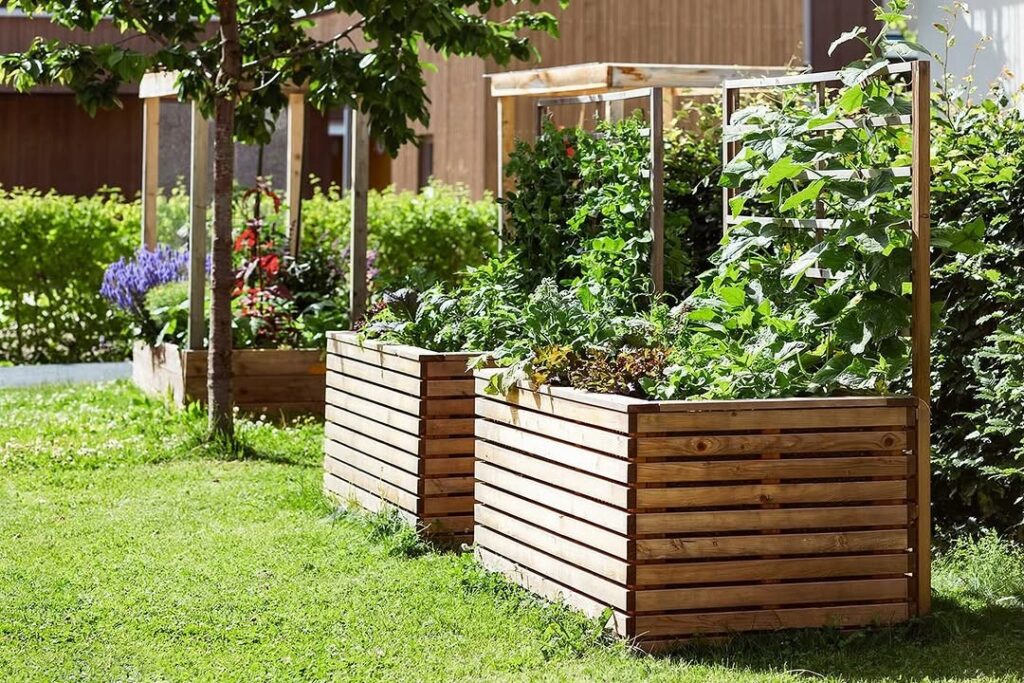
Running raised beds in staggered lengths beside a fence makes a narrow yard feel planned and polished. The different bed sizes break up a long straight line, so your eye jumps from plant group to plant group instead of noticing how tight the space is. It gives you deep soil where you want it and clear walking room where you need it.
Use taller beds for tomatoes, peppers, or shrubs and shorter ones for herbs and flowers. Leave slim gravel strips between beds for drainage and easy access.
Stain the wood in two tones to add depth, and hang simple hooks on the fence for tools or watering cans. Add a strip of low lighting to enjoy your garden after dark.
2. Bamboo Corner Screens With Planter Bases
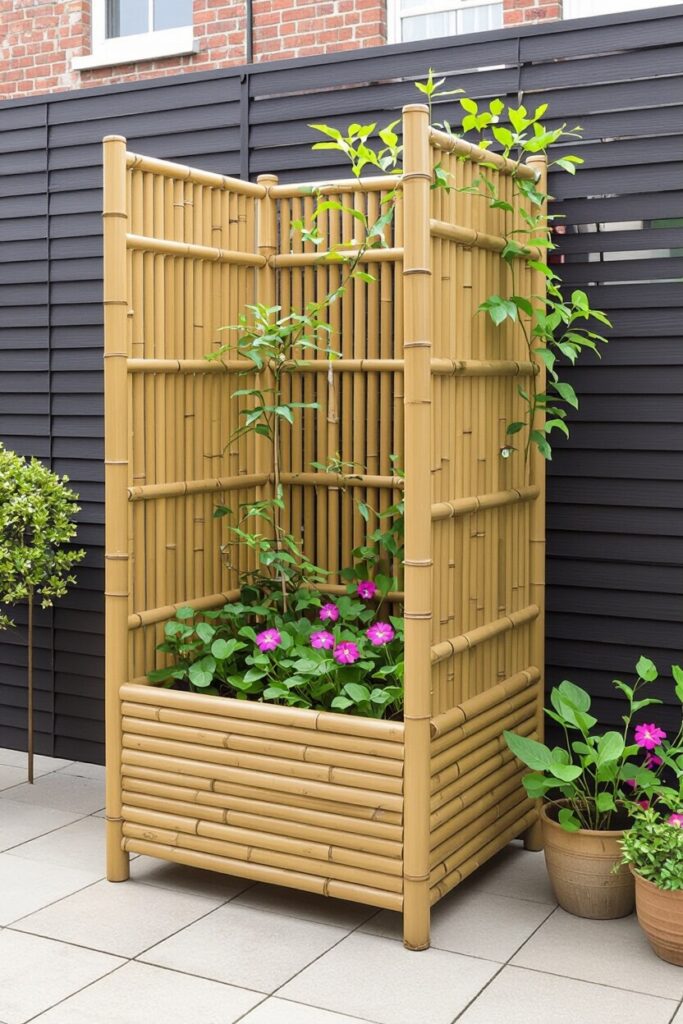
A freestanding bamboo screen with a built-in planter instantly turns an unused corner into a snug green nook. The vertical canes block views from nearby windows, so your sitting area feels tucked away instead of exposed. At the same time, the base planter gives you precious extra soil without stealing floor space.
Choose narrow planters that match the length of each screen panel, then fill them with light potting mix and fast growers like ornamental grasses or climbing beans. Secure the screens to the planters so they stay steady on windy days.
You can slide the whole unit around until you find the best sun. For even more privacy, overlap two screens slightly to create a layered wall of plants.
3. Stepping Stone Path With Plant Pockets
Credit to @unique_garden_ideas on Instagram
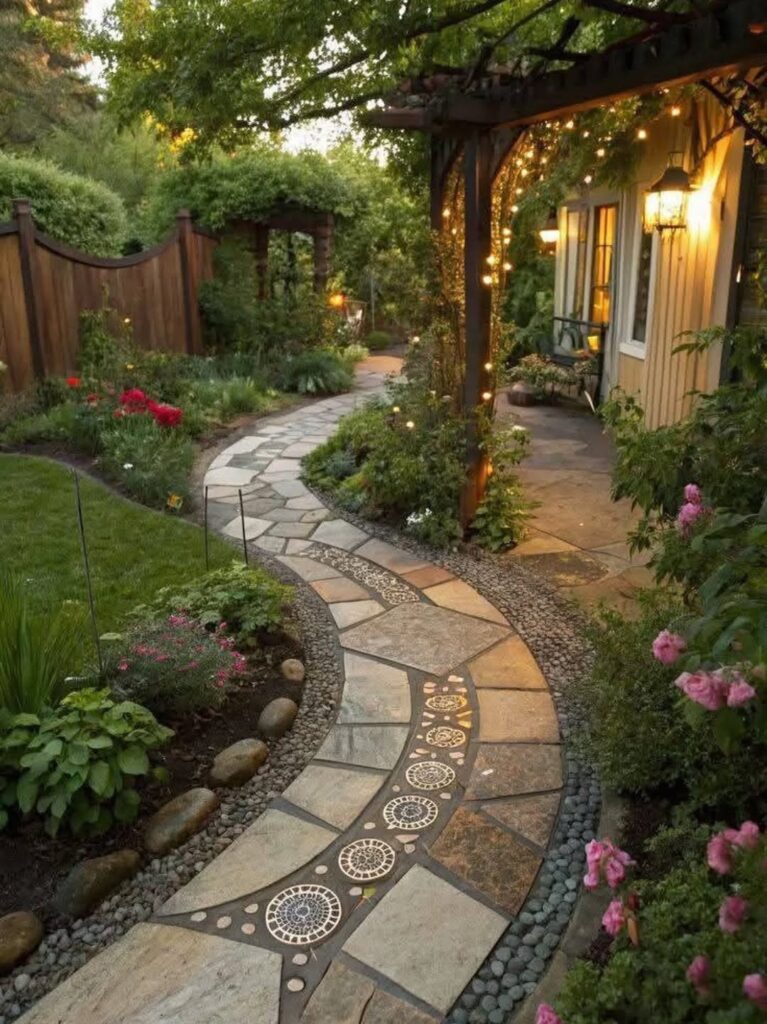
A winding path of oversized stepping stones makes a tiny garden feel like a real destination. Instead of one flat block of soil, you get clear places to walk and mini planting pockets in between. Those pockets let you tuck in groundcovers, thyme, or low succulents that soften every hard edge.
Lay large stones or pavers first, leaving gaps wide enough for a trowel but narrow enough to step across easily. Fill the joints with compost and sand so water drains and roots can spread.
Choose plants that stay low and spread slowly, so they frame the stones instead of hiding them. A path like this guides visitors through the space and keeps your feet clean after rain.
4. Vertical Grid Wall for Climbing Crops
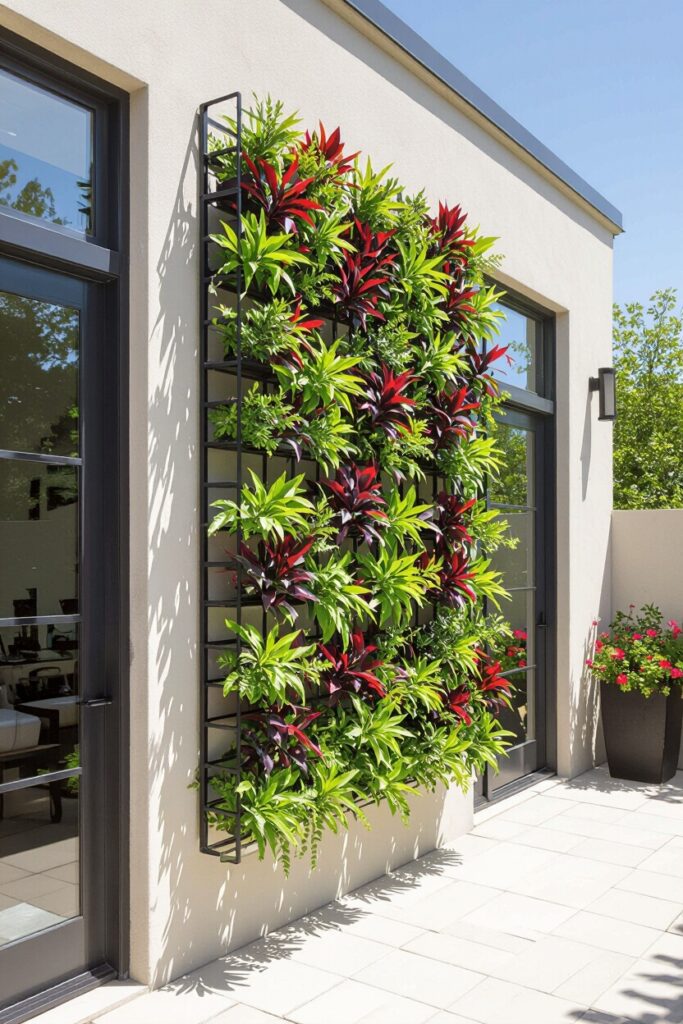
A simple metal or wooden grid fixed to a sunny wall turns wasted vertical space into a food or flower tower. Once vines start climbing, the bare wall disappears behind green leaves, so the whole garden feels fuller. You get more harvest or color without giving up bed space on the ground.
Attach the grid a few inches off the wall so air can move freely. Plant compact climbers like peas, cherry tomatoes, cucumbers, or flowering sweet peas at the base.
Train new shoots through the openings with soft ties, and trim off tangled pieces so light reaches every leaf. Slide slim pots along the bottom edge for basil or marigolds that help with pests and add extra interest.
5. Multi-Level Deck Planter Zones
Credit to @microprosienna on Instagram
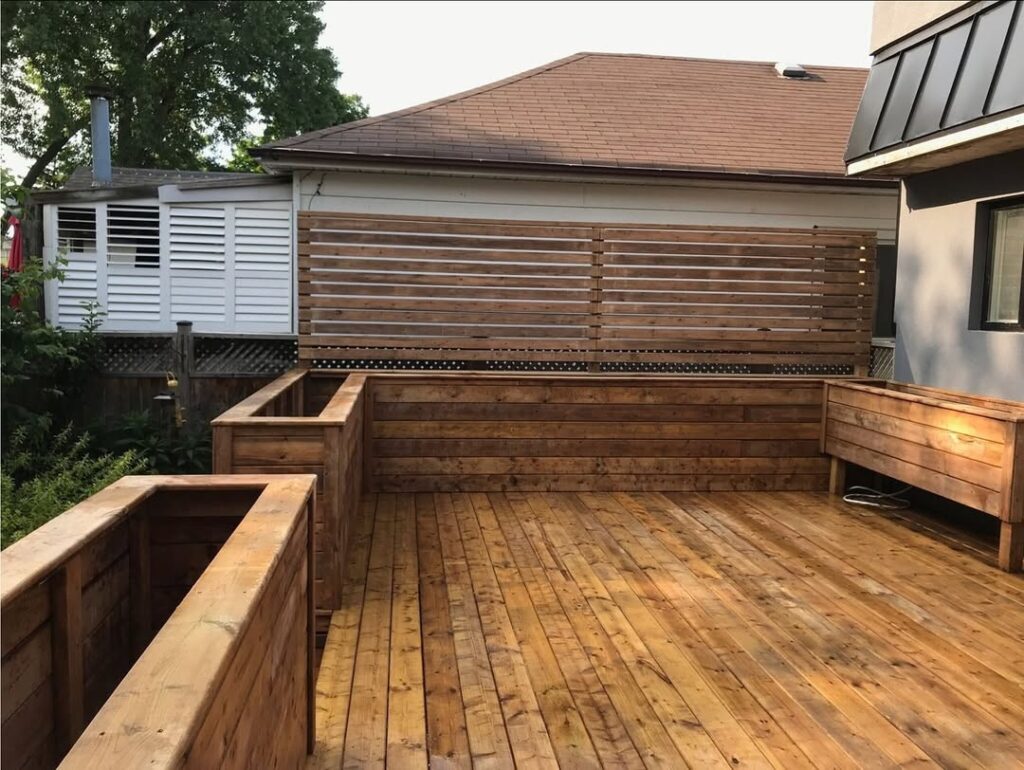
Building short, staggered platforms beside a small deck creates ready-made zones for pots and built-in planters. Each level acts like a tiny stage where one great plant or container can shine. This keeps your collection organized, so it looks intentional instead of like random pots squeezed along the rail.
Use the highest level for tall plants that double as a privacy screen, such as bamboo in containers or dwarf trees. Mid levels work well for herbs and flowers you reach often. Keep the lowest shelf for trailing plants that can spill over the edges.
Leave a clear strip by the door so traffic flows easily. A layout like this lets you pack in plants while keeping your seating area calm and uncluttered.
6. Hanging Rail Planters Along a Balcony Edge
Credit to @diy.aus on Instagram
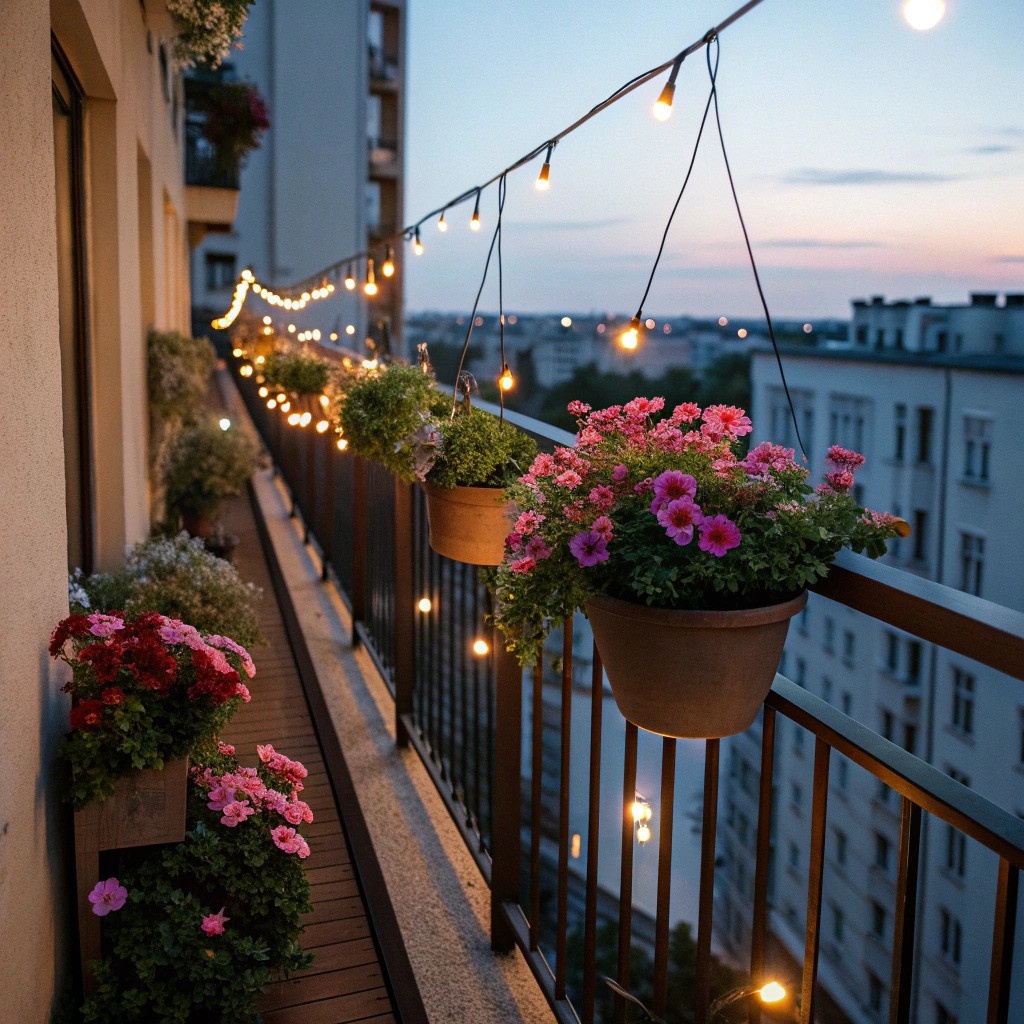
Turning your railing into a planting strip instantly frees up floor space and frames the view with color. Rail planters pull your eye outward, which makes a tight garden feel wider and more open. You keep access to every inch of the ground for chairs, storage, or kids’ toys, while flowers and herbs sit safely at hand height.
Choose narrow trough planters that hook over the rail so you do not need brackets drilled into metal or wood. Mix trailing plants with compact edibles, like thyme and strawberries, for a full look without crowding.
In windy spots, add coco liners and pack soil firmly so roots stay put. Keep a small watering can nearby so tending them becomes a quick daily habit.
7. Built-In Bench With Hidden Planter Backs
Credit to @greentheorydesign on Instagram
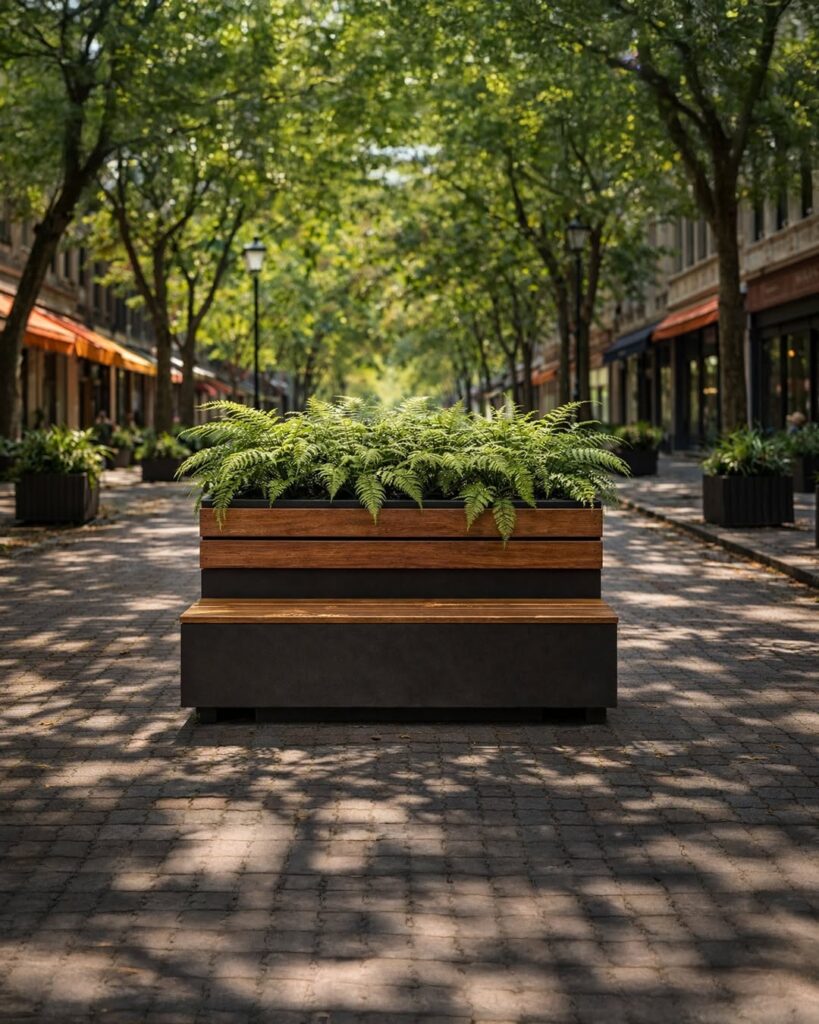
A corner bench along a wall gives you seating and structure while leaving the center of your garden clear. When you build a shallow planter behind the backrest, you get a soft green backdrop without using extra ground space. The plants rise just above shoulder height, so the whole seating nook feels cozy and enclosed.
Use rot-resistant boards for the bench and line the planter cavity with plastic or metal flashing. Fill it with lightweight potting mix so the structure never feels too heavy. Tuck in grasses, dwarf shrubs, or scented herbs that release fragrance when brushed.
If you want evening use, run simple solar stake lights behind the plants so the foliage glows softly after dark.
8. Narrow Perimeter Bed Around a Central Patio
Credit to @gardenpasionista on Instagram
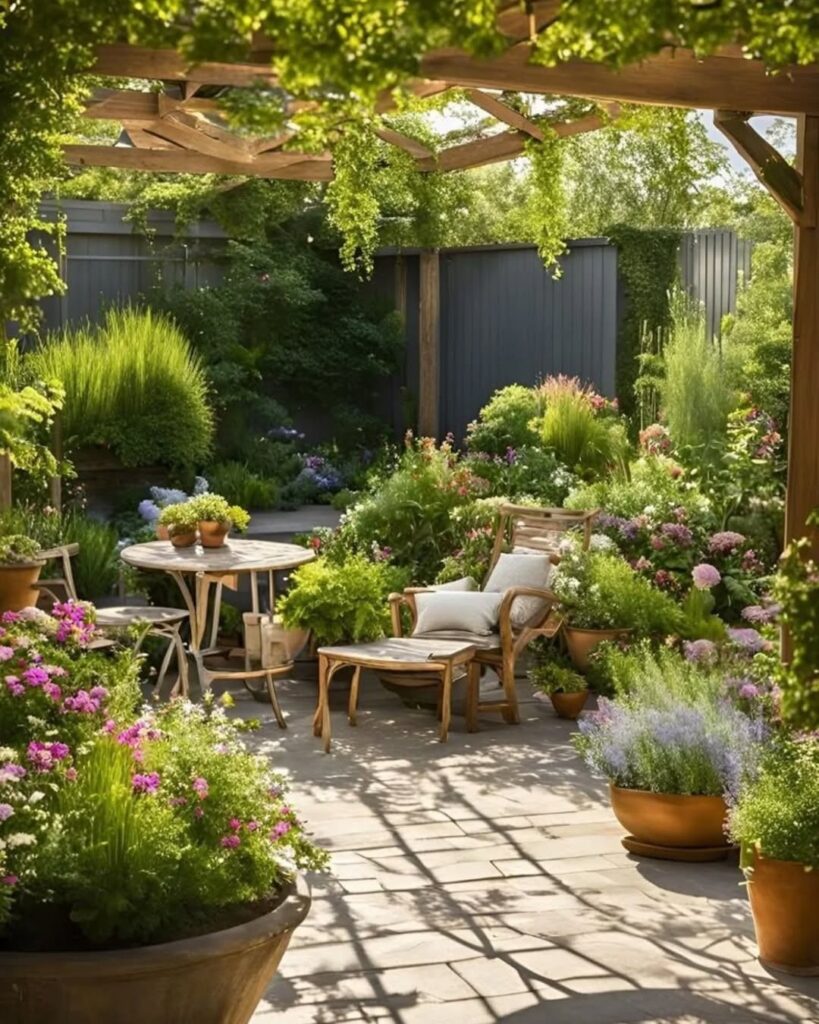
Wrapping a slim planting bed around a small patio lets you enjoy full garden borders without shrinking your usable space. The hard surface stays open for a table and chairs, while the edges turn into a green frame. This layout works especially well in square or rectangular yards that might feel boxy or bare.
Mark out a bed about eighteen inches wide along fences or walls, then curve the corners so the lines feel gentle. Plant taller flowers or small shrubs at the back, with low groundcovers spilling toward the pavers.
Use repeating colors so your eye moves smoothly around the patio. Leave a few small gaps in the border for stepping stones that lead to storage bins or a shed.
9. Tiered Container Tower Beside a Doorway
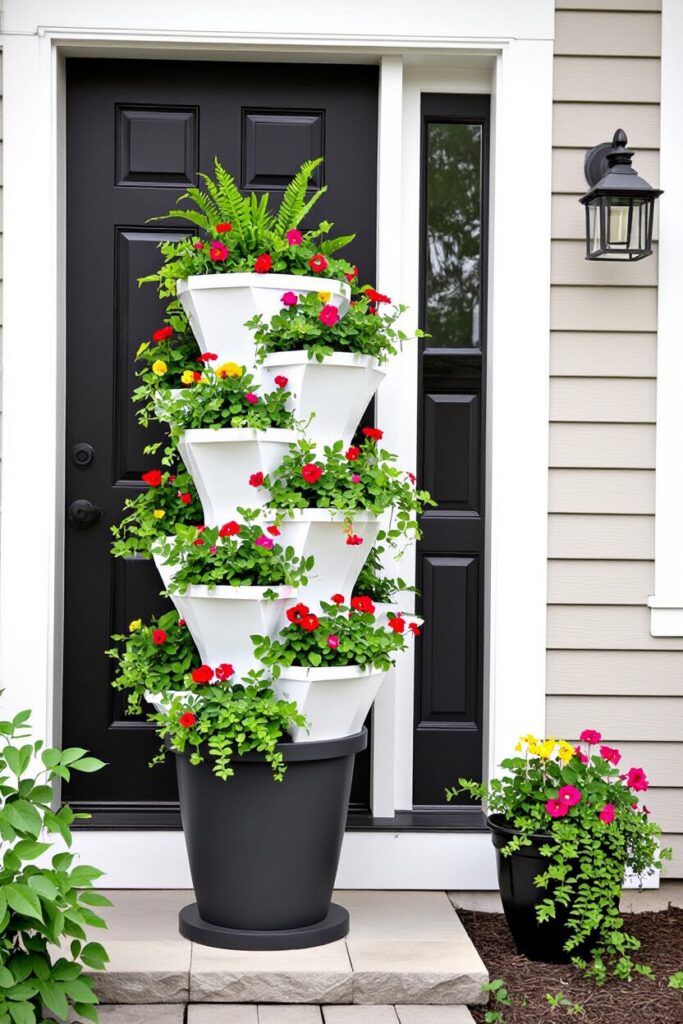
Stacking planters into a vertical tower near your door packs in far more plants than a single pot can hold. The height draws attention toward the entrance and makes even a tiny side yard feel designed. It is an easy way to grow salad greens, herbs, or bright annuals where you will see them every day.
Start with a large, heavy pot at the bottom for stability, then place smaller pots on inverted bricks or stands inside it. Angle each layer so foliage spills out at a different point, creating a spiral of color.
Choose one main color theme so the stack looks tidy, not busy. Water from the top and let the excess trickle through to lower levels to save time.
10. Gravel Garden Strip With Movable Pots
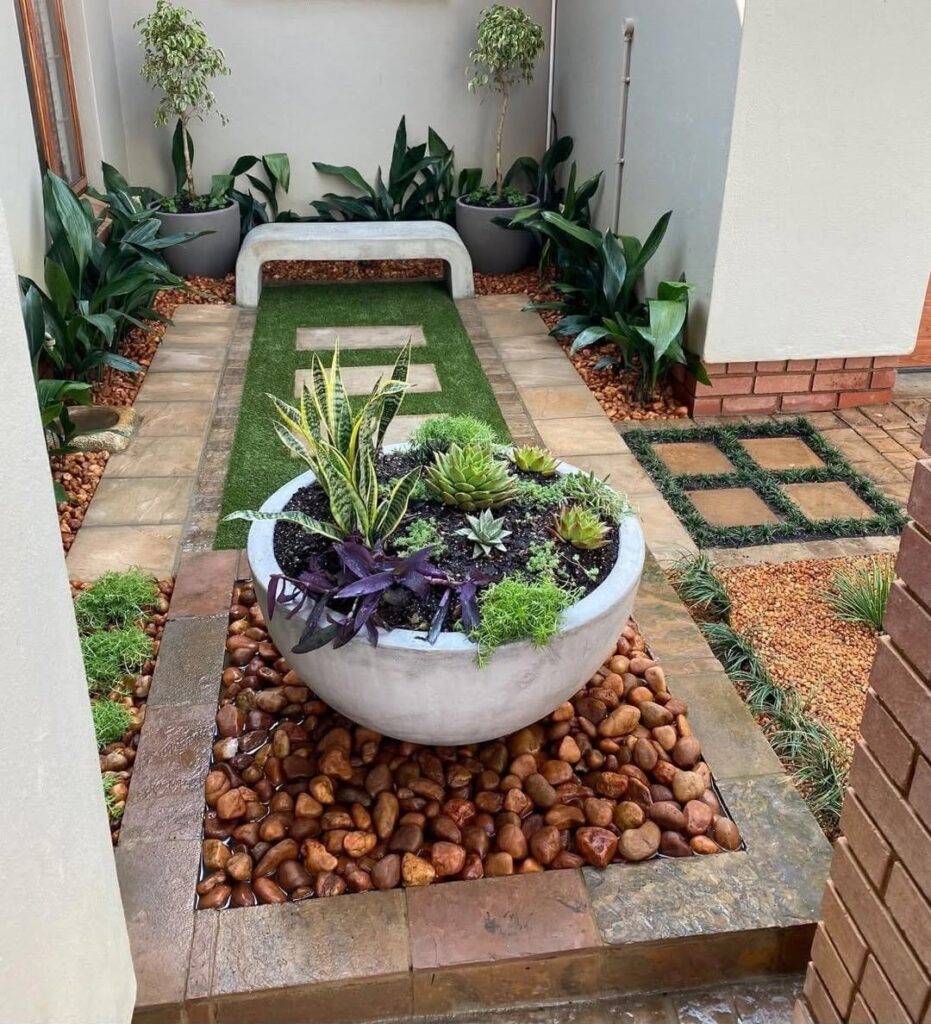
Credit to @thepotshack_za on Instagram
A slim gravel strip along a wall or path turns into a flexible stage for containers. You gain drainage, a clean walking edge, and the freedom to rearrange plants as they grow. This layout helps you test sun levels and plant combos without committing to permanent beds.
Spread weed barrier fabric, then pour a shallow layer of fine gravel and rake it level. Group pots in threes or fives, mixing heights so the area feels full. Use wheels or plant caddies under heavier containers so you can slide them for cleaning or extra shade.
When a plant fades, simply swap the pot for a fresh one and keep the garden looking cared for with very little effort.
11. Wall-Mounted Herb Ladder Beside the Patio
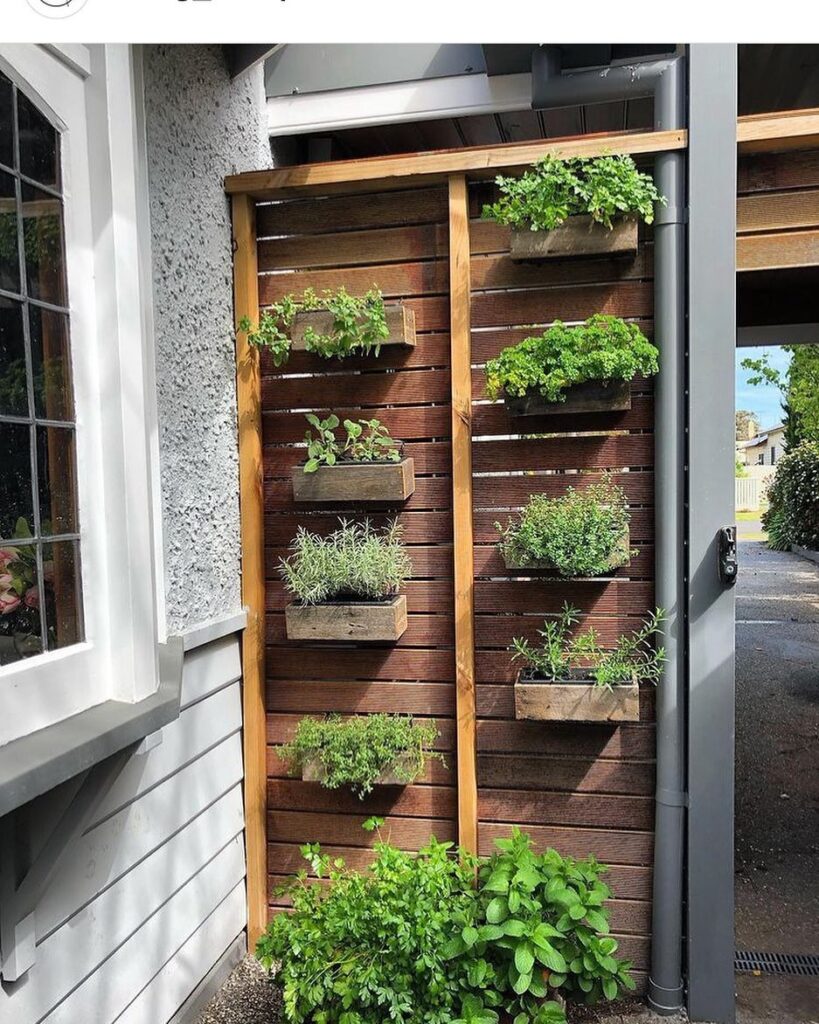
Credit to @living_escapes on Instagram
A slim herb ladder turns a bare wall into a productive green panel and frees your floor space for seating. You get fresh flavor right where you cook and grill, plus a living backdrop that softens hard surfaces.
Use a narrow wooden or metal ladder and hang shallow boxes on each rung so you can tend plants from one spot. Put thirstier herbs like basil and parsley on the lower levels where water collects more, and tuck hardy thyme or rosemary higher up.
Mix in a few trailing strawberries for snacks. Keep a small watering can nearby so tending your ladder becomes a quick, daily habit.
12. Compact Dining Corner With Planter Backdrop
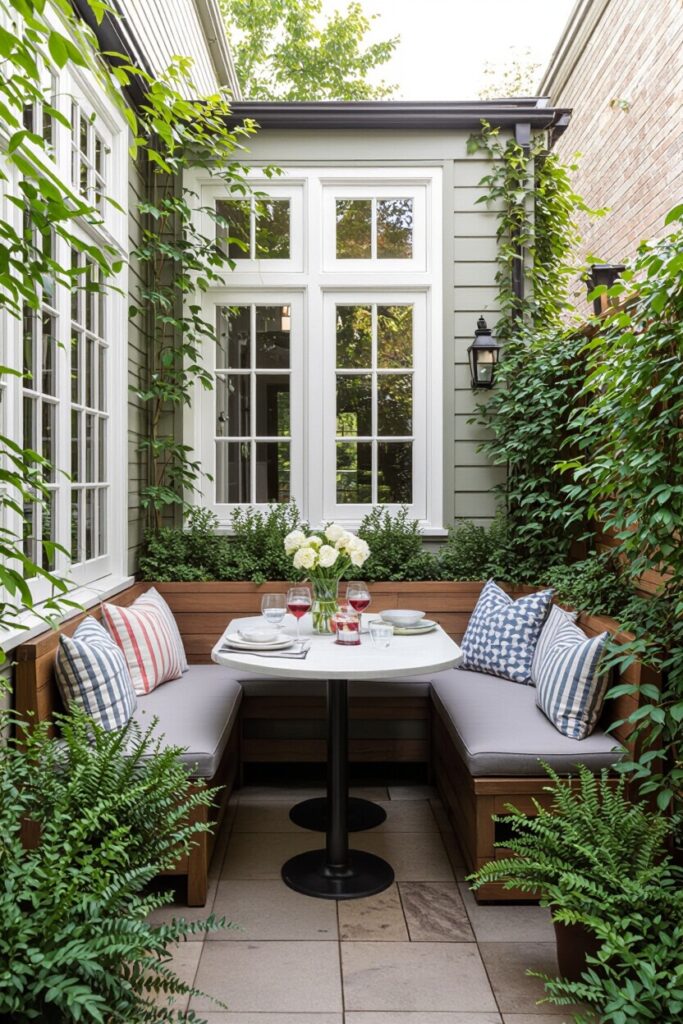
Turning one tight corner into a dining nook makes your garden feel like an outdoor room. A planter backdrop frames the table, blocks less-than-lovely views, and lets you surround guests with foliage instead of walls.
Choose a square or bistro table that tucks neatly into the corner, then run a low, continuous planter behind the chairs. Plant tall grasses or columnar shrubs for privacy, and weave in scented flowers so every meal feels special.
String lights above to define the zone at night. Keep chairs lightweight so you can slide them under the table after use, leaving just a tidy green-lined corner during the day.
13. Compact Spiral Bed in an Empty Corner
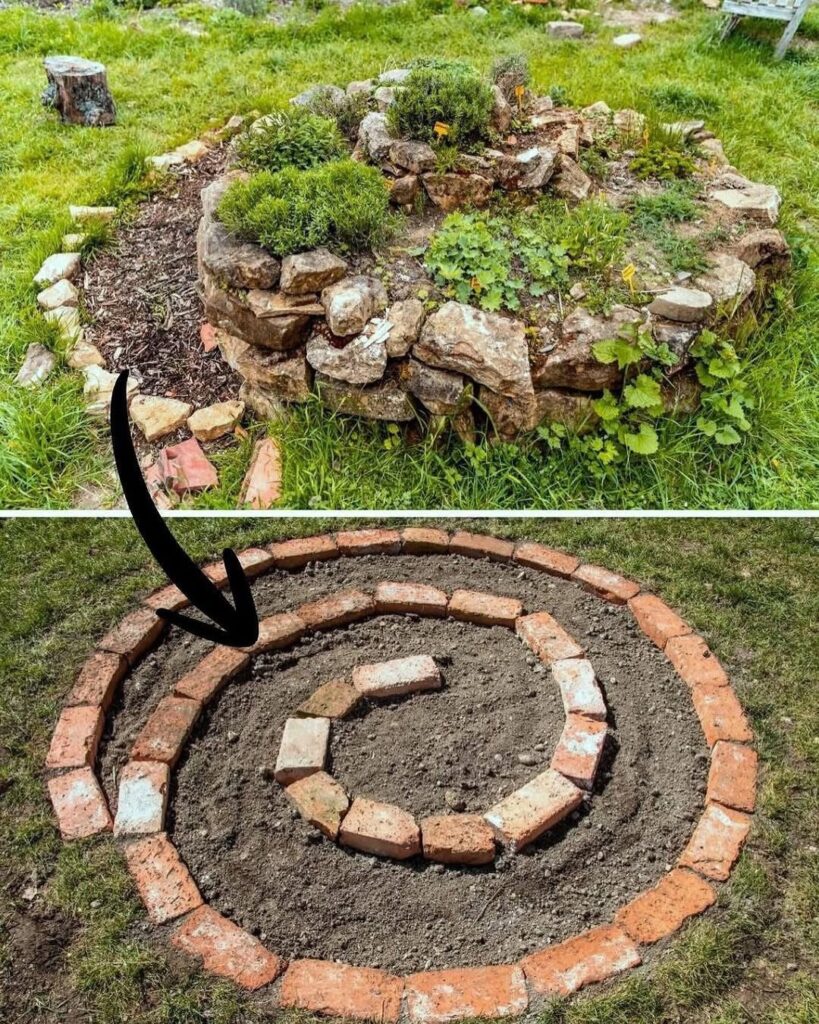
Credit to @farminginheels on Instagram
A spiral bed turns a small, unused patch of soil into a sculptural growing space. The twist in height gives you pockets of different moisture and light, so you can grow more types of plants in one tight footprint.
Mark a circle, then stack stones or bricks in a gentle spiral that rises toward the center. Fill the shape with soil as you build. Put sun-lovers and Mediterranean herbs near the top where drainage is fastest, and tuck leafy greens or flowers into the cooler, lower spots.
Leave a flat stone at the base as a stepping point. The spiral becomes both focal point and practical planting area without spreading across the whole yard.
For more outdoor zoning ideas, these backyard garden layout plan ideas can help you shape a functional space with better flow.
14. Slim Water Feature Strip Along a Fence
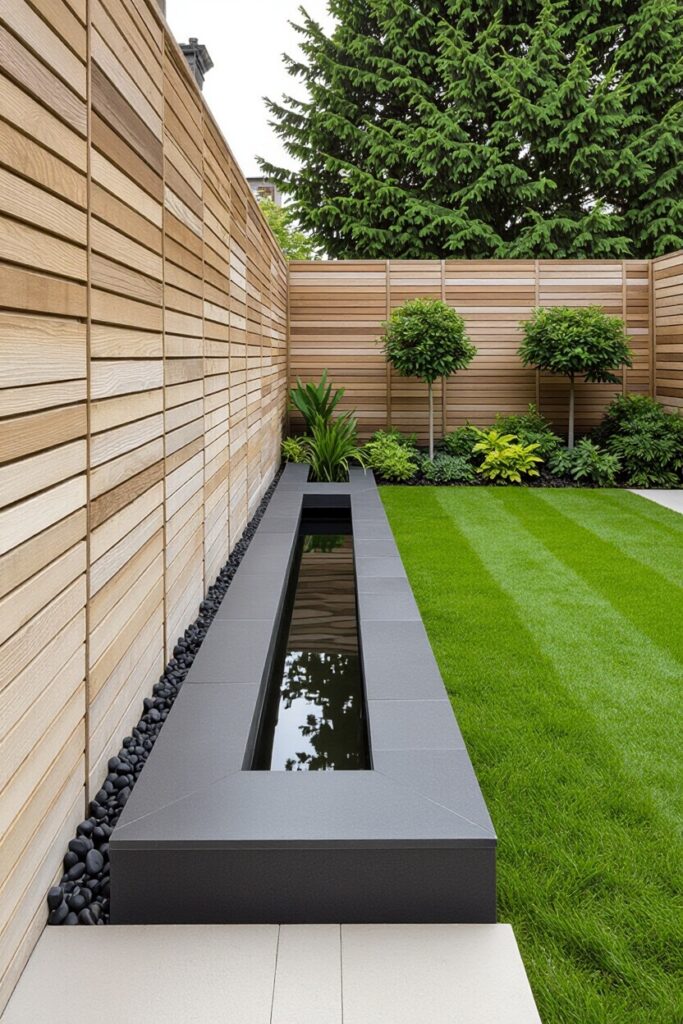
A narrow water run beside a fence adds movement and sound without eating into precious ground. The gentle trickle masks street noise and makes even a tight garden feel calm.
Use a long, shallow trough or a series of square tubs set end to end. A small pump can keep water flowing from one end back to the start, so you reuse the same supply.
Add river stones and a few marginal plants like dwarf iris or small rushes. Tuck the pump behind taller foliage so you only see clean lines and water. At night, a single low spotlight turns that thin strip into a glowing feature.
15. Arched Entry Trellis Over a Narrow Path
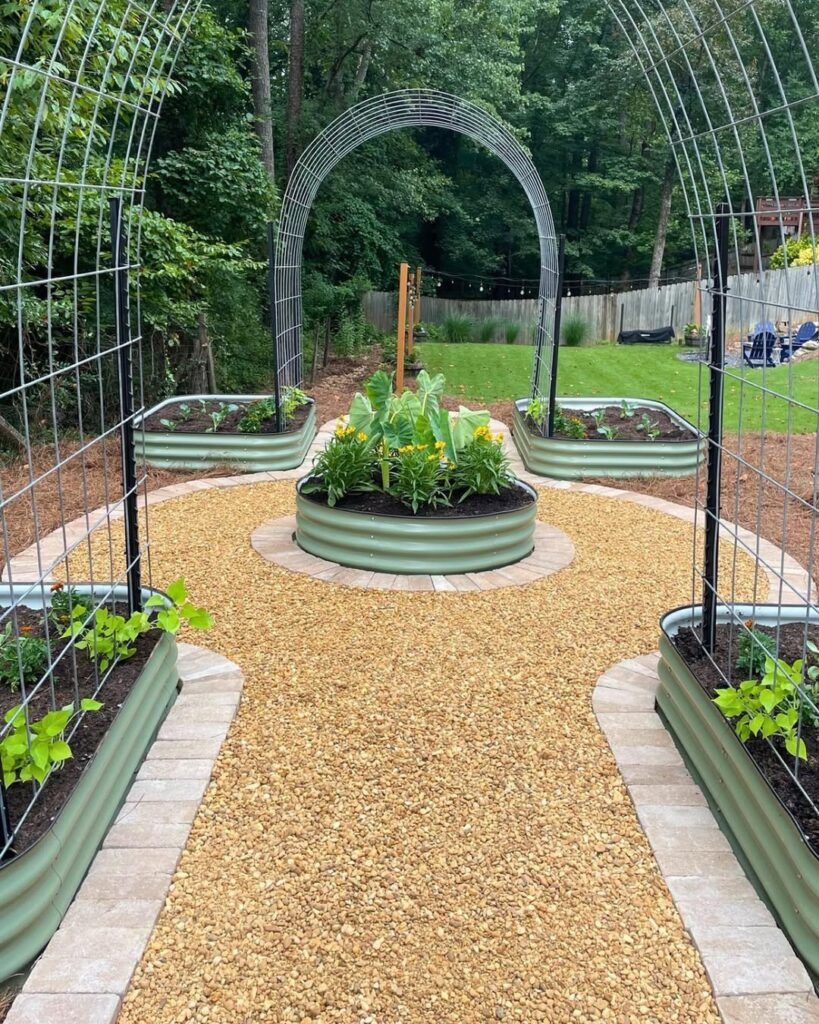
Credit to @graycedarhome on Instagram
An arched trellis over your path pulls the eye upward and makes the whole garden feel larger. You create a sense of arrival without needing extra square footage. Even a tiny yard gains a “front door” moment.
Set two slim trellises on either side of the path, then join them with a prefabricated arch or simple curved battens. Plant lightweight climbers like sweet peas, black-eyed Susan vine, or small-flowered clematis so they cover without weighing the frame.
Keep the base of the arch clear so you can still move wheelbarrows and furniture through. A single hook at the center is perfect for a hanging lantern or small bird feeder.
If you want your small garden to stay easy to manage, these low maintenance garden ideas are a great companion guide.
Conclusion
Small gardens reward careful planning, because every inch has a job to do. When you think in layers, paths, and corners, tight yards suddenly offer many spots for plants, seating, and storage.
Pick one idea that fits your space, then build from there instead of trying to change everything at once. As you live with each tweak, you will see the next smart move more clearly.
Save the layouts that excite you, sketch your space, and test different placements on paper first. Soon your compact garden will feel intentional, personal, and surprisingly generous.