
You don’t need a huge yard or expert skills to build a garden that actually works for you. With a smart layout, you can grow flowers, herbs, and veggies without feeling lost every time you grab a trowel. These ideas help you see your space in clear zones, so planting and upkeep feel simple instead of stressful.
As you read, picture your own yard, balcony, or patio. You’ll spot layouts that fit tiny corners, awkward strips, and wide open lawns. Use them as a starting point, then tweak the shapes, paths, and beds to match how you live.
By the end, you’ll know exactly where each plant should go and how to move through your garden with ease.
If you want broader inspiration, explore these garden layout ideas and design examples for different yard sizes and styles.
1. Simple Rectangular Bed Grid
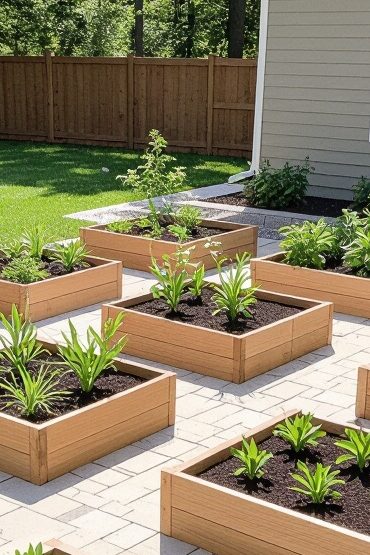
A basic grid of rectangular beds makes your new garden feel neat and organized right away. Straight lines are easy on the eye and help you see where everything belongs. You get clear paths, clear planting zones, and a layout that looks tidy even when you are still learning.
Start by sketching two or three long beds with walking paths between them. Keep each bed narrow enough so you can reach the center from both sides.
Mark the shapes with string and stakes, then fill them with a mix of veggies and herbs. If you want more color, tuck in marigolds at the corners for a soft border.
If you want something simple to maintain while learning, these low maintenance garden ideas are a great next step.
2. Curved Flower Borders Around the Edges
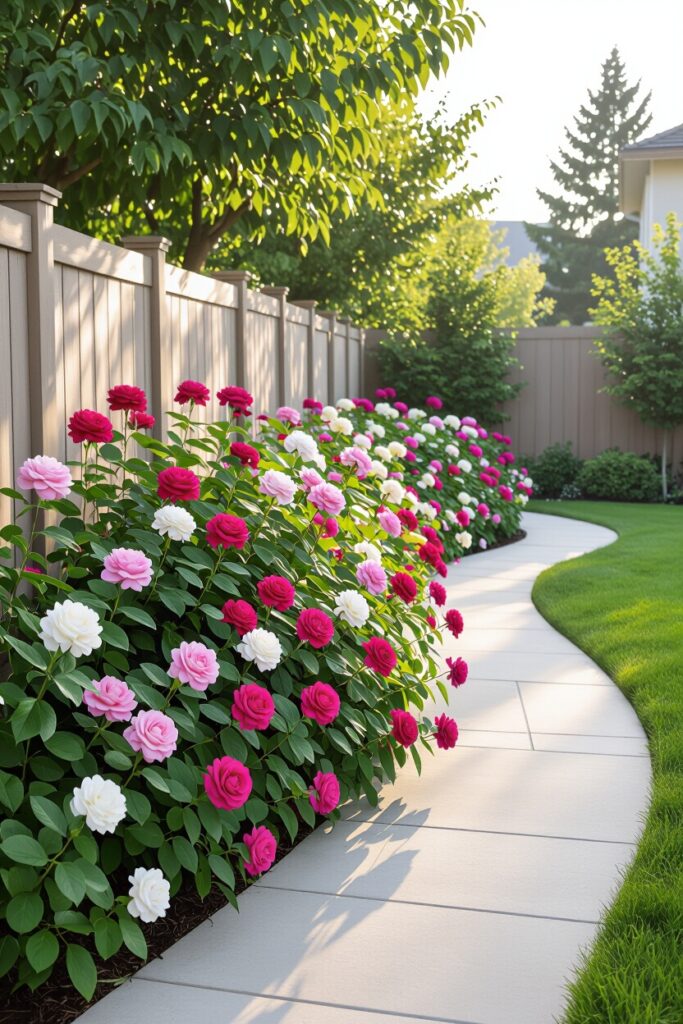
Gentle curves around the edge of your yard soften hard fences and walls. This layout frames your space so the middle stays open for seating, kids, or pets. It looks relaxed and natural, even if you only plant a few easy flowers at first.
Use a hose to mark a sweeping line along the fence, then cut the bed shape with a spade. Plant taller flowers or shrubs at the back and shorter plants near the front so you see every layer.
Leave small gaps for stepping stones where you might need to reach the hose or compost bin. Over time, you can fill empty spots with perennials that return each year.
3. Herb Spiral Near the Kitchen Door
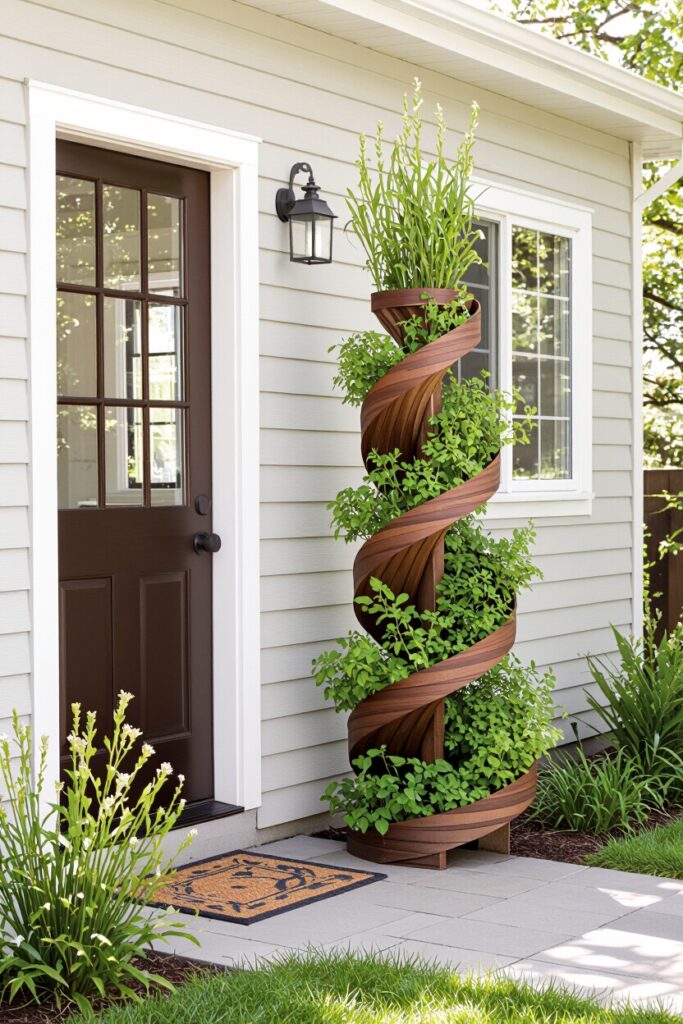
A compact herb spiral brings fresh flavor within arm’s reach. The stacked shape creates little microclimates, so sun lovers and shade lovers can share one small spot. It becomes a fun focal point that also saves space in a tiny yard.
Build the spiral from bricks, stones, or even broken pavers, starting wide at the base and circling up to a small peak. Fill the center with soil as you go so the spiral holds its shape.
Plant thyme and oregano near the top where it stays drier, then tuck parsley and chives toward the bottom where moisture collects. Put the spiral close to your back step so you actually snip herbs while cooking.
4. Raised Beds in a U Shape
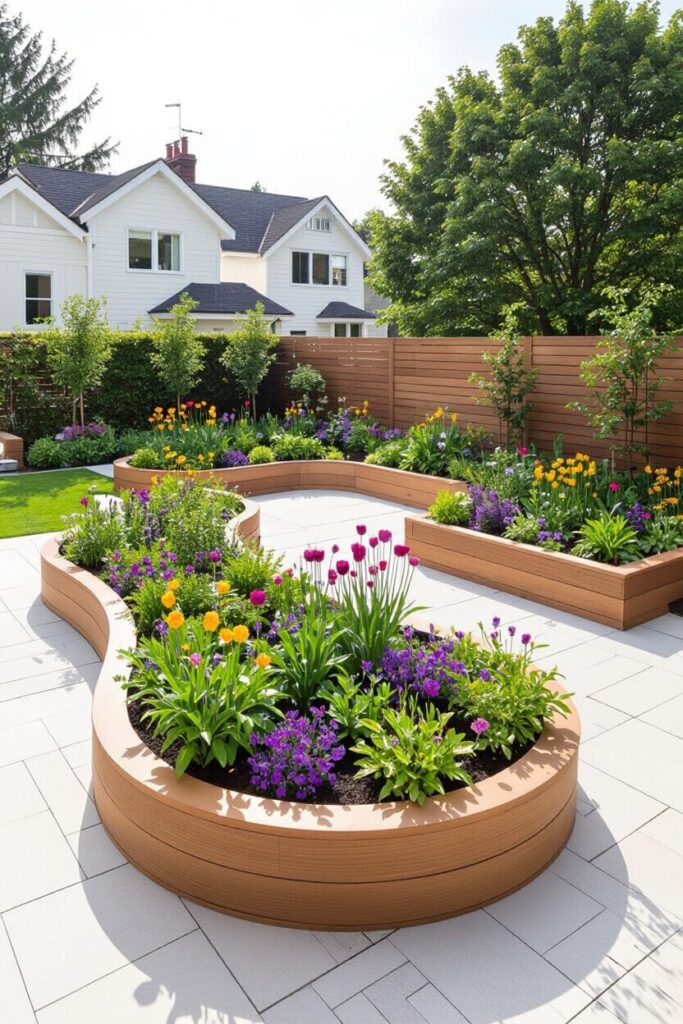
A U-shaped layout wraps garden beds around you, which makes planting and weeding much easier. Everything is within reach, and the raised edges give your space a finished look. This setup works well if bending or kneeling is hard on your back.
Place two long raised beds parallel to each other with a shorter bed across the end, leaving a wide opening so you can walk in. Make the beds high enough to sit on the edge when you work.
Group thirsty plants like lettuce and cucumbers near your hose connection, and keep low-care crops like onions toward the far end. Add a couple of hooks on the corners for storing hand tools close by.
5. Central Path with Side Planting Zones
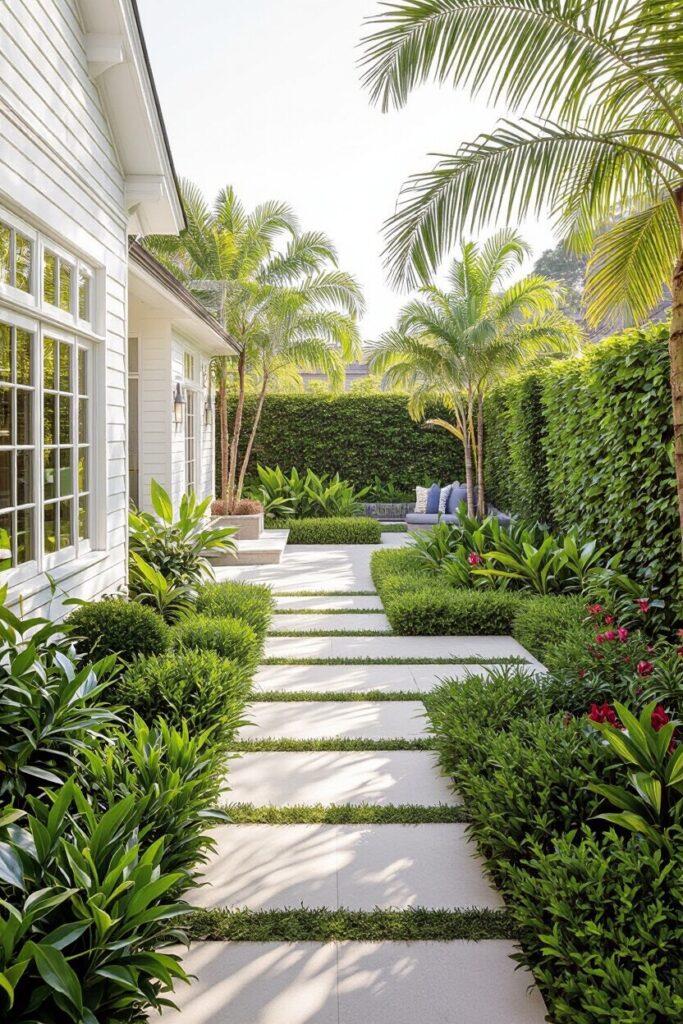
A clear central path gives your garden structure and keeps your shoes out of the mud. When you can walk straight through, watering and harvesting feel quick instead of like a maze. The path also divides your yard into simple side zones that are easy to plan.
Lay stepping stones, gravel, or wood chips in a straight or gently curved line from one end of the space to the other. On each side of the path, create matching or mirrored beds for flowers, food plants, or a mix of both.
Put taller crops like tomatoes toward the back of each zone so they do not shade smaller plants. For a cozy touch, string lights along the path for soft glow during warm evenings.
6. Diagonal Planting Rows Across the Plot
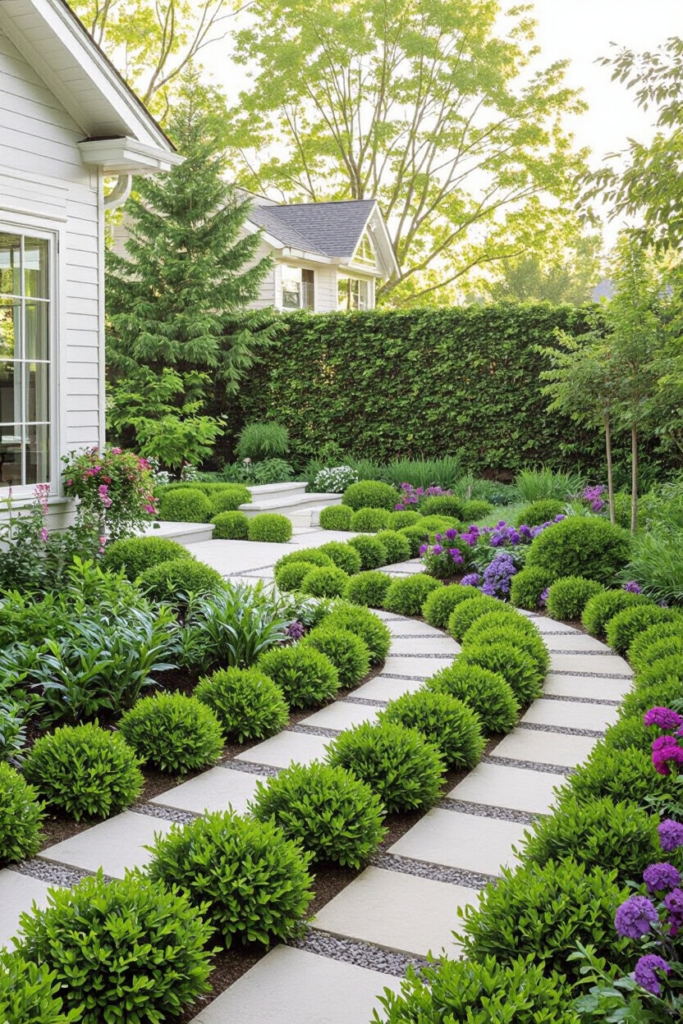
Angling your rows across the space makes a small garden feel wider and more interesting. Your eye follows the diagonal lines, so the whole area looks longer and more planned. It also helps water flow off the beds instead of pooling between straight rows.
Start in one corner and stretch a string to the opposite side, then mark your first row. Keep each row the same distance apart so you can still reach the middle to weed and harvest. Mix tall crops with low ones along each line for a soft, layered look.
These small garden layout ideas can help you make the most of a compact yard without losing structure.
7. Corner Seating Nook With Surrounding Beds
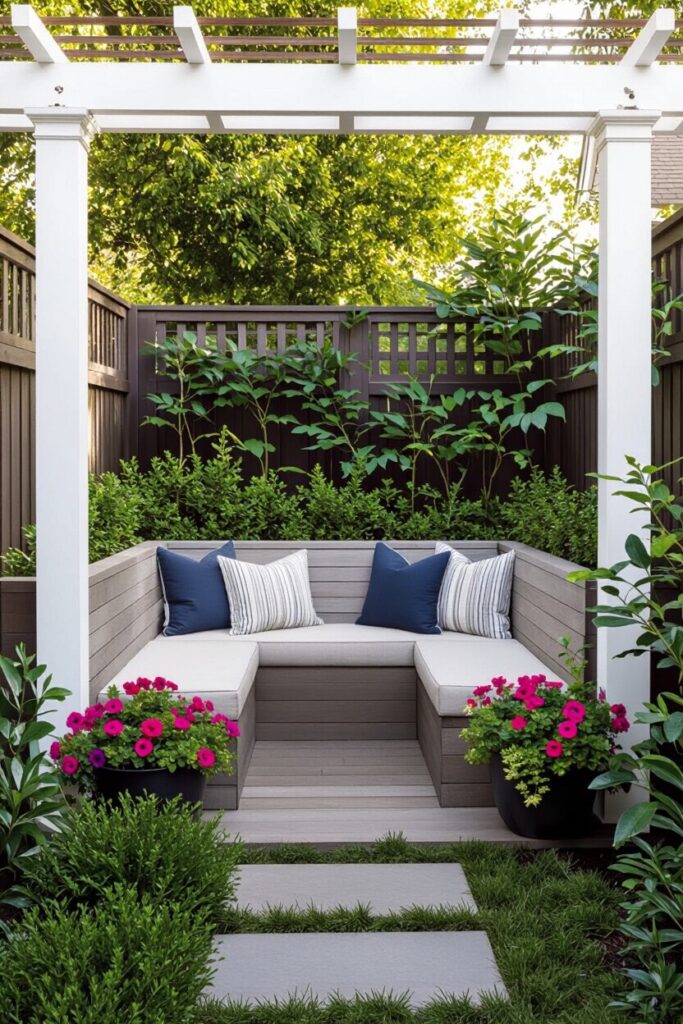
Turning one corner into a small seating nook makes your garden feel like a cozy room. You get a place to rest and a clear anchor point for the rest of your layout. Plants around the benches soften the edges and make the space feel calm.
Place a simple bench or two chairs in the corner, leaving room to walk behind if you like. Wrap L-shaped beds around the seating so flowers or herbs frame your view. Add a few fragrant plants close to where you sit for extra comfort on warm evenings.
8. Mixed Container Cluster Near the Patio
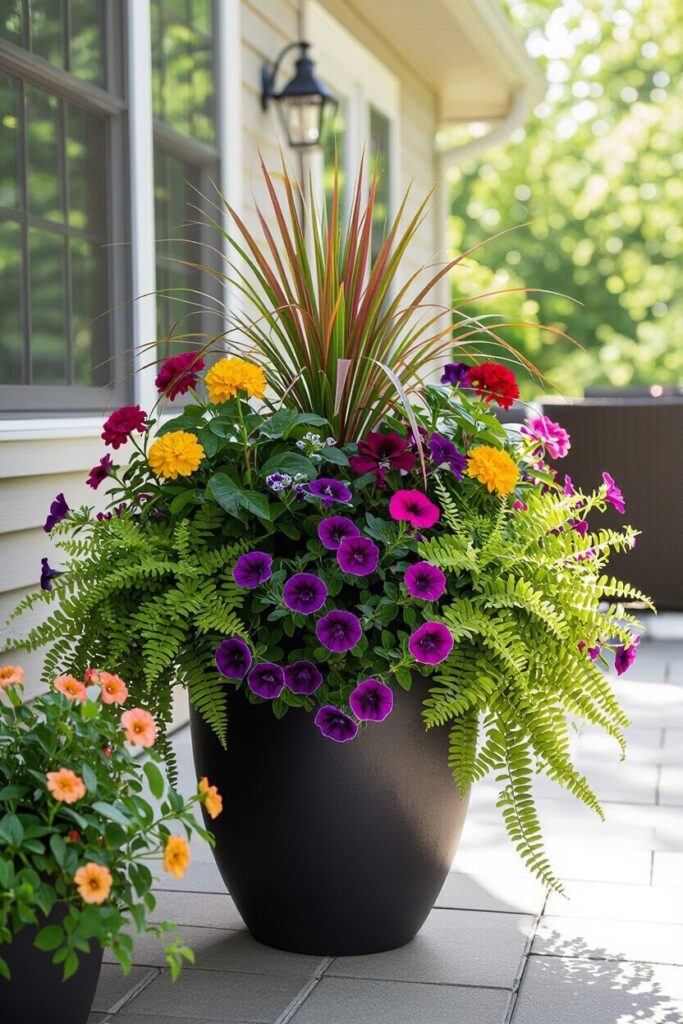
Grouping pots in one area gives you a flexible garden that can change with the seasons. This layout works well if your soil is poor or you only have a small paved spot. Different pot heights and colors create a lively, relaxed feel.
Pick one main container as the tallest, then tuck smaller pots around it in a loose triangle. Grow salad greens, compact tomatoes, or dwarf shrubs where you can reach them easily. Shift pots closer together in summer for shade, then spread them out when plants need more light.
9. Fruit Bush Row Along the Fence
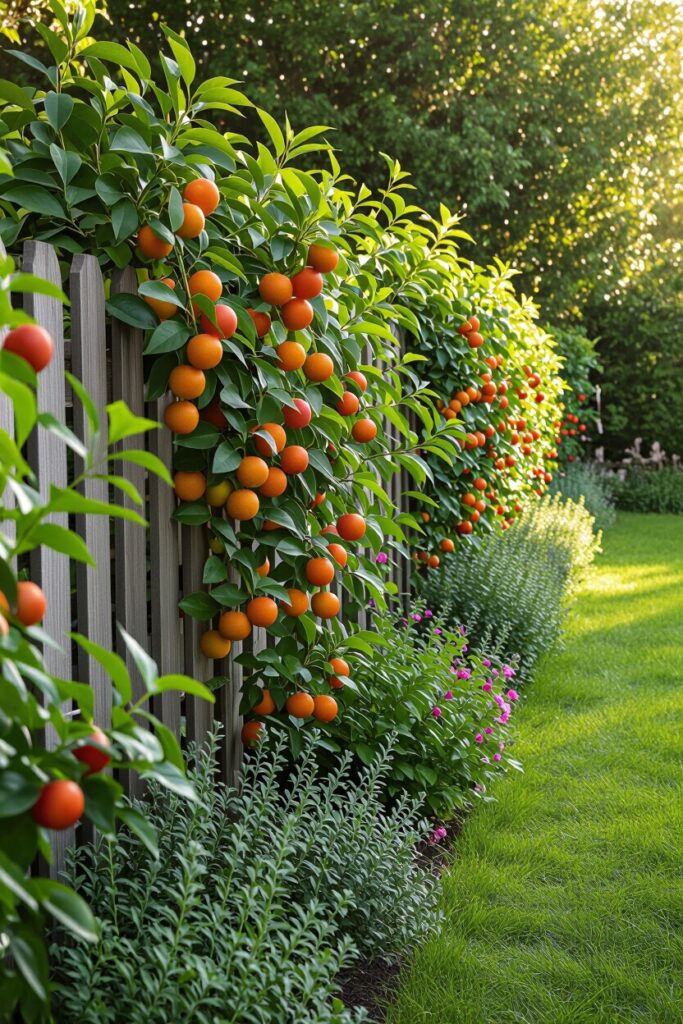
Turning your fence line into a fruit row makes that blank strip work harder for you. The plants soften the boundary and give you fresh snacks at the same time. Once they settle in, the shrubs need little daily care.
Choose berries or dwarf fruit bushes that match your sun and soil. Space them so each plant will have room to fill out without crowding. Underplant with low herbs or flowers to cover bare soil and draw in pollinators, which helps boost your harvest.
10. Small Wildlife Corner With Pond Tub
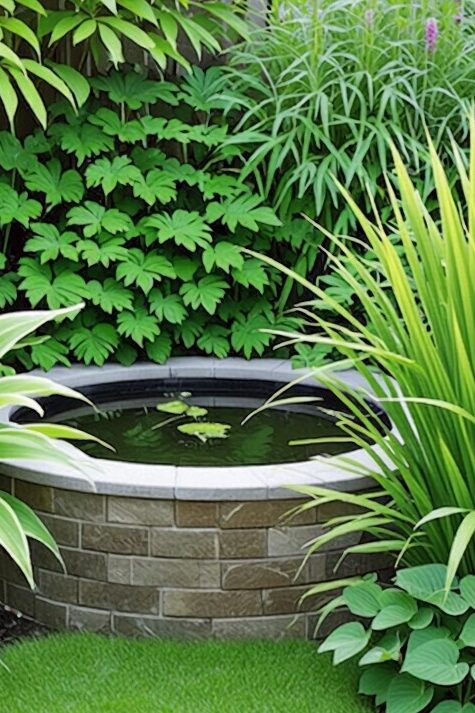
Setting aside one corner for wildlife brings movement and sound into your garden. A shallow tub pond and a ring of plants attract frogs, bees, and birds. This little pocket also becomes a quiet spot where you can pause and watch.
Sink a large tub so the rim sits at soil level, then add a stone ramp so visitors can get in and out. Plant natives around three sides, leaving one open side for you to stand or sit. Keep chemicals away from this area so the water stays safe for everything that visits.
11. Vertical Trellis Wall Along the Sunny Side
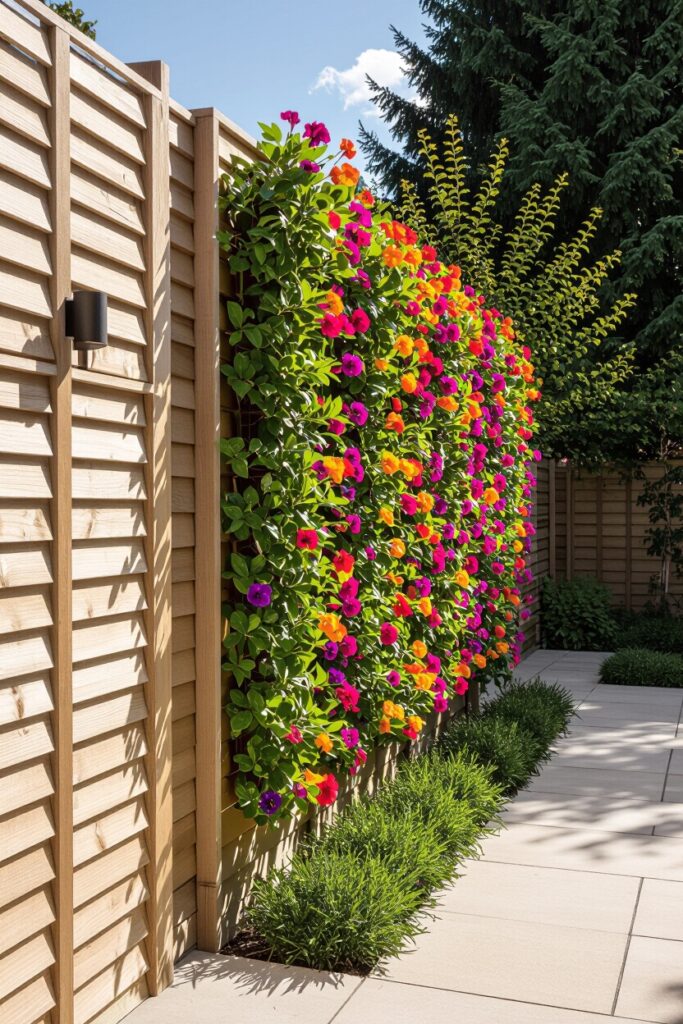
A long row of trellises along one sunny edge turns a bare boundary into a green backdrop. Climbing beans, peas, cucumbers, or flowers grow up instead of out, so the rest of your garden stays open and easy to reach. You also get dappled shade for tender plants tucked at the base.
Set the trellis line a foot or two inside the boundary so you can walk behind it for tying and picking. Plant shorter crops in front, like lettuce or basil, so you use every inch of soil. If wind is strong, angle the panels slightly and secure them well. You’ll create a soft living wall that makes the whole space feel finished.
12. Stepping Stone Path Through Island Beds
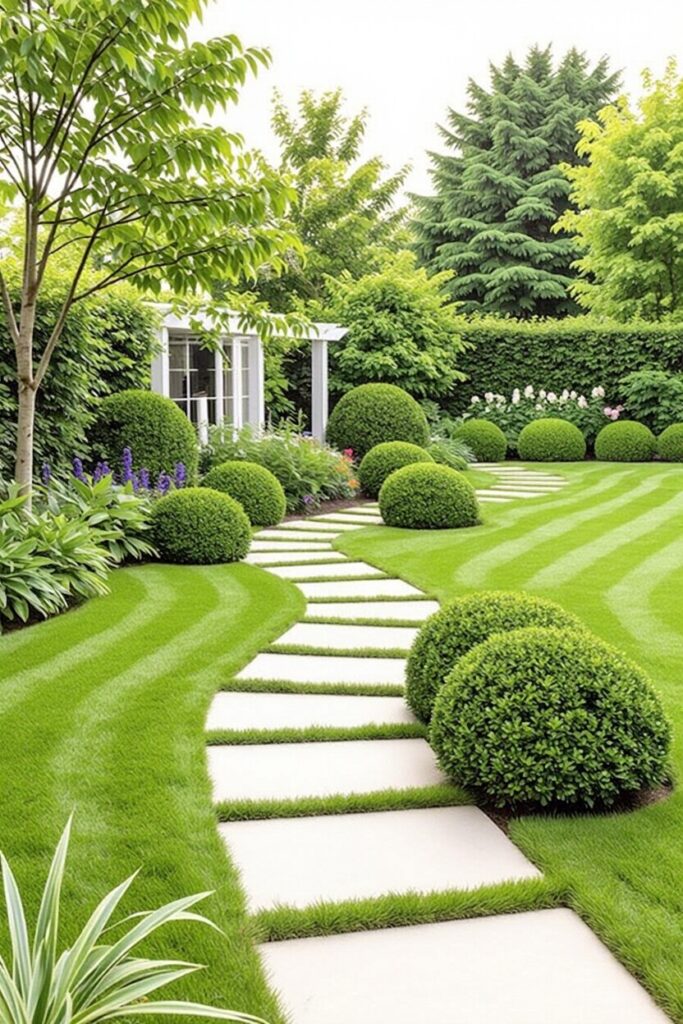
Breaking up your lawn with small “islands” of planting connected by stepping stones makes the garden feel like a little adventure. Each island can have its own mix of herbs, flowers, or salad greens, so you see something new with every few steps. The stones keep your shoes clean and give clear routes for watering and harvesting.
Start with one main curve from patio to shed or gate, then add a branch path if you like. Keep stones close enough for a relaxed stride so the walk feels natural. Shape each island bed with soft edges and repeat a few plants so the layout looks planned, not random. Over time, you can add more islands as your confidence grows.
13. Circular Hub Bed With Spoke Paths
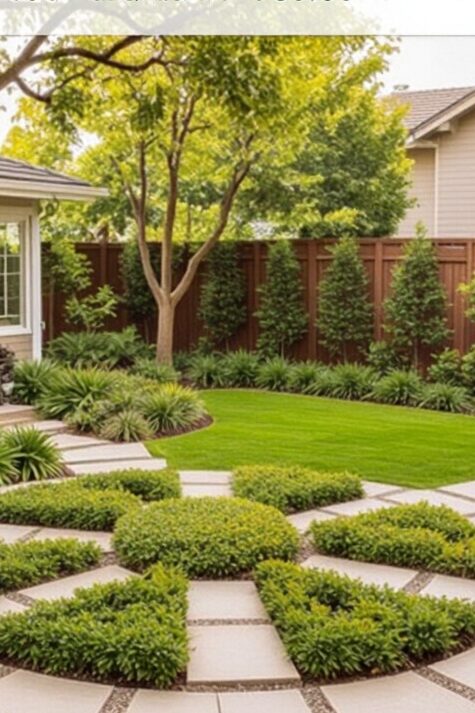
A round central bed with narrow paths radiating out works like a hub, pulling the whole garden together. From the middle you can reach into every section, which makes tending plants feel simple and calm. The shape also softens a boxy yard and gives you a clear focal point.
Mark the circle with a hose, then lay bricks, logs, or low edging to hold the soil. Run three or four paths out from the center, wide enough for your watering can or wheelbarrow.
Plant taller crops or a small shrub in the middle and shorter ones toward the edges. This pattern helps you keep varieties grouped and stops plants from crowding the paths.
14. Dedicated Cutting Flower Strip Beside a Fence
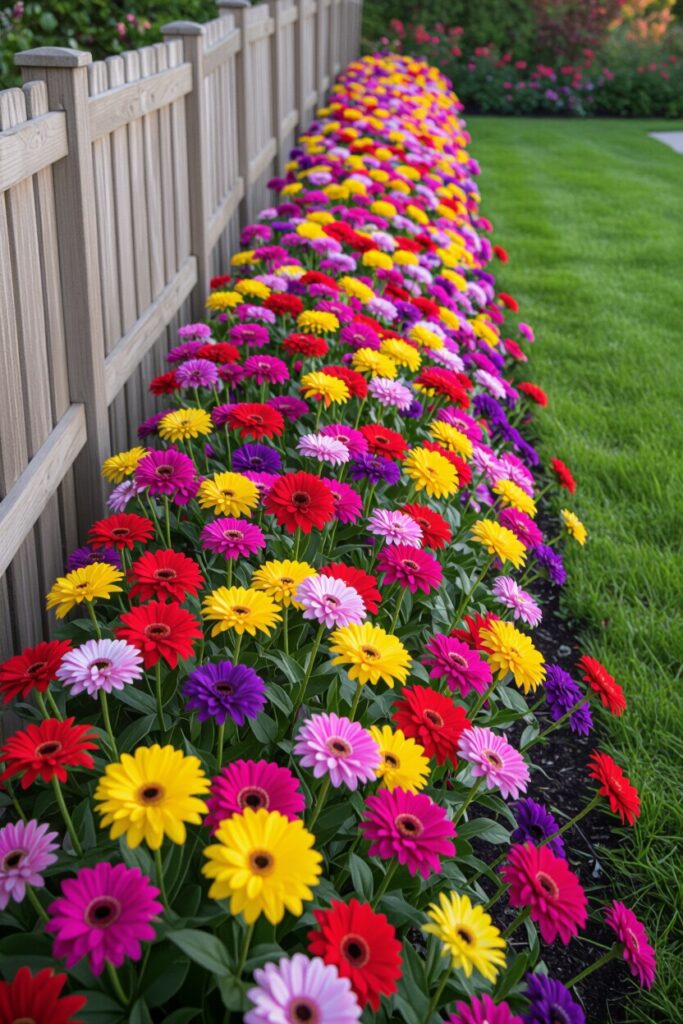
Setting aside a long narrow strip just for flowers you can cut keeps your main beds tidy. You pick freely without leaving gaps in your front borders, and you always have fresh stems for the table. A fence behind the strip frames the colors and supports taller bloomers.
Plan the strip in repeating blocks, such as three clumps of the same variety spaced along the run. Mix early, mid, and late bloomers so something is always ready for snipping.
Leave a slim walkway in front so you can reach every plant with scissors and a bucket. Choose sturdy, long-stemmed kinds like zinnias, cosmos, and sunflowers for a steady supply.
15. Hidden Compost and Tool Corner With Screening Plants
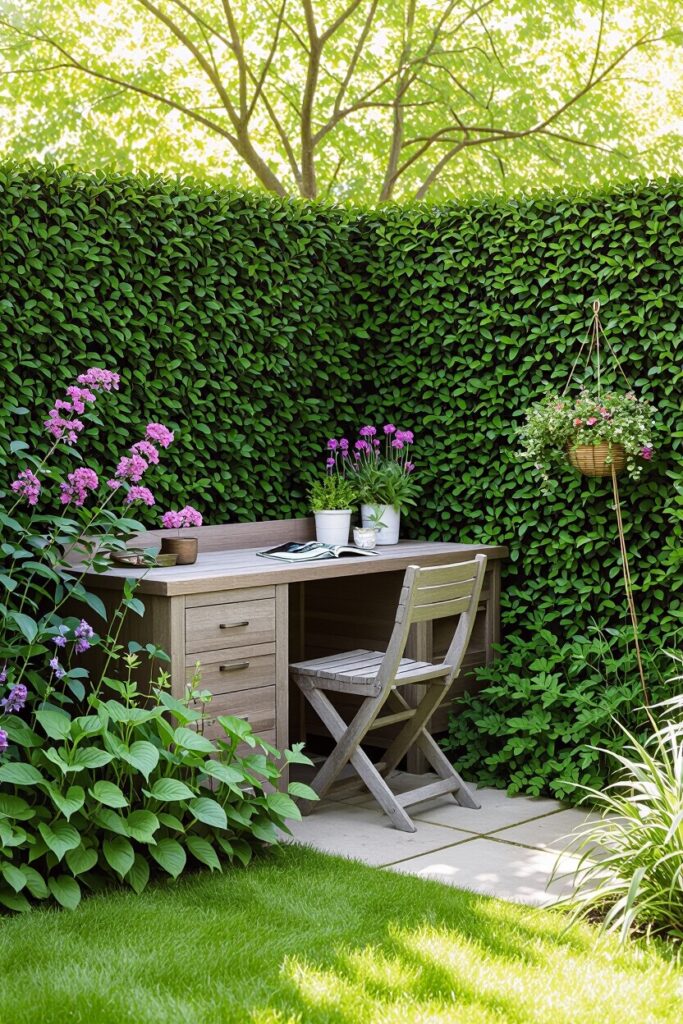
A small working corner keeps bins, pots, and tools close by without taking over the view. By tucking it into a back corner and wrapping it with tall plants, you get function and order at the same time. This spot becomes your base for potting, pruning, and mixing feed.
Place compost bins on firm ground, then add a narrow shelf or crate stack for gloves, twine, and hand tools. In front, plant quick-growing screens such as tall grasses, berries, or shrubs, leaving a simple gap as a doorway.
A few stepping stones help you move around even after rain. Once it is set up, your yard looks calm while the hard work stays neatly out of sight.
16. Narrow Side Yard Planting Strip
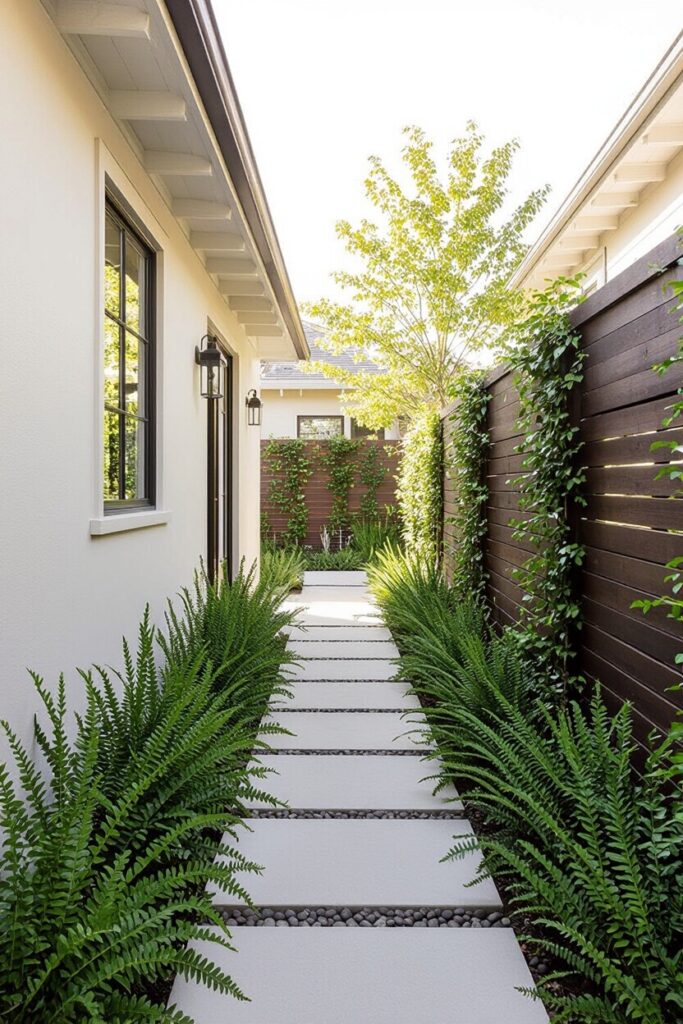
A skinny side yard can turn into a useful growing strip when you plan it like a hallway garden. Long, shallow beds guide the eye and make the space feel tidy instead of forgotten. You gain room for herbs, flowers, and even a few compact veggies without changing the main yard at all.
Lay one simple stepping path beside the house, then place a single raised bed or border on the fence side. Stick to plants that grow upright so they do not block the walkway. Add wall hooks for hanging pots near doors. A small bench at the end of the path gives you a sweet stopping point.
17. Tiered Planter Stairs on a Slope
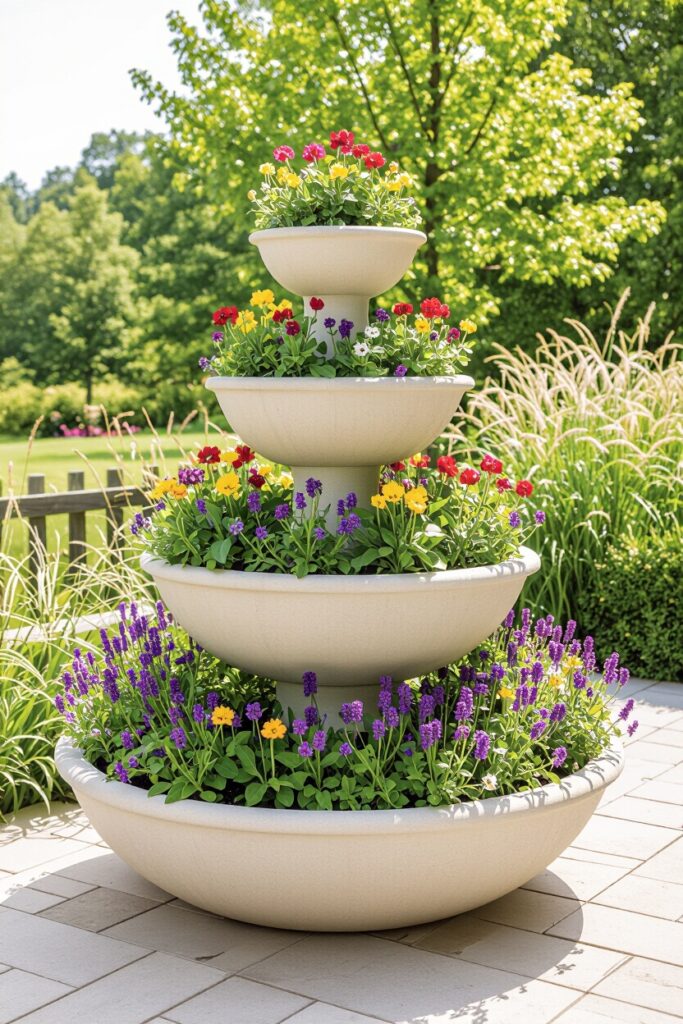
A sloped corner can be tricky for straight rows, but it is perfect for a tiered planter layout. Wooden steps or stacked blocks create flat shelves for pots and small beds, turning a hard-to-mow spot into a strong feature. You also slow water run-off, which helps roots stay moist longer.
Start at the lowest point and build simple terraces up the incline. Fill each tier with one clear theme, like salad greens on one, strawberries on another.
Keep the lowest level for thirstier plants since it will collect more water. A handrail or side edging keeps soil in place and gives the setup a finished look.
18. Shade Garden Under a Mature Tree

The ground under a big tree often looks bare, yet it can become a calm shade garden. A ringed layout defines the space and protects roots from heavy digging. Soft, arching plants make the trunk feel like the center of a small outdoor room.
Mark a wide circle around the tree, then add a low border of stones or bricks. Spread compost and leaf mold on top instead of deep tilling. Tuck in hostas, ferns, or woodland flowers in clumps, leaving a clear mulch path for access. A simple chair or small birdbath near the trunk turns this cool spot into a quiet reading nook.
19. Kid-Friendly Garden Plot With Play Path
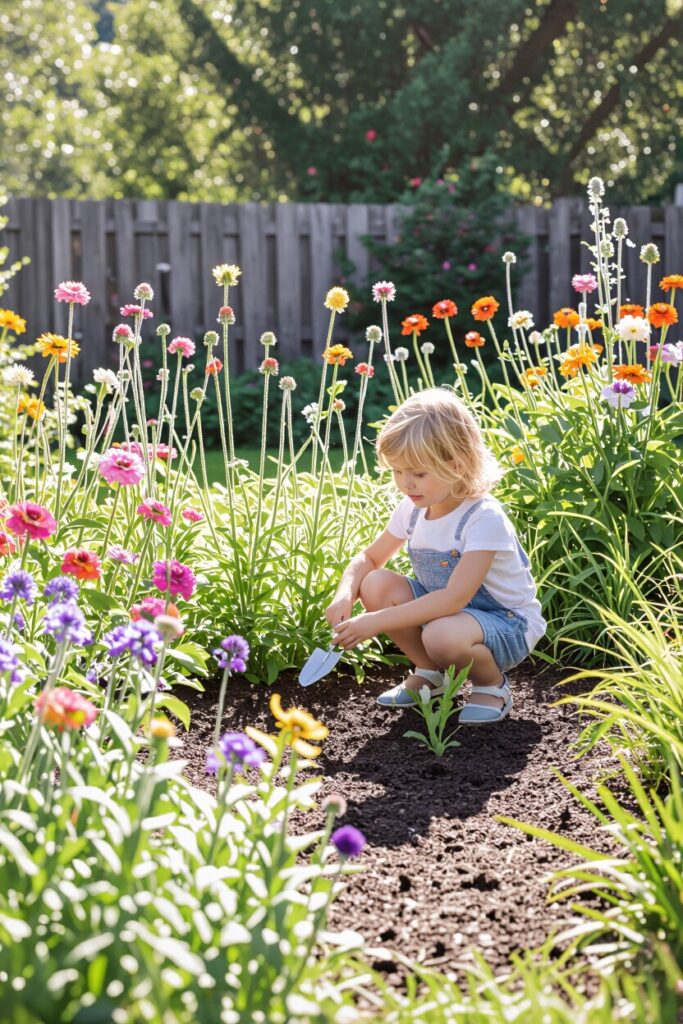
A child’s plot brings energy to your layout and gives kids a clear space that is theirs. A playful looping path helps them explore beds without stepping on seedlings. Bright colors and easy crops make the whole area feel like a living toy box.
Outline one small section with low edging and let kids help choose the shape. Use wide, soft curves for the path, filled with bark or smooth gravel. Plant quick growers like radishes, sunflowers, and peas along the edges so they see results fast.
Add painted stones as markers for each plant type, and leave a corner open for a tiny teepee trellis or digging spot.
20. Balcony Style Rail Planter Strip
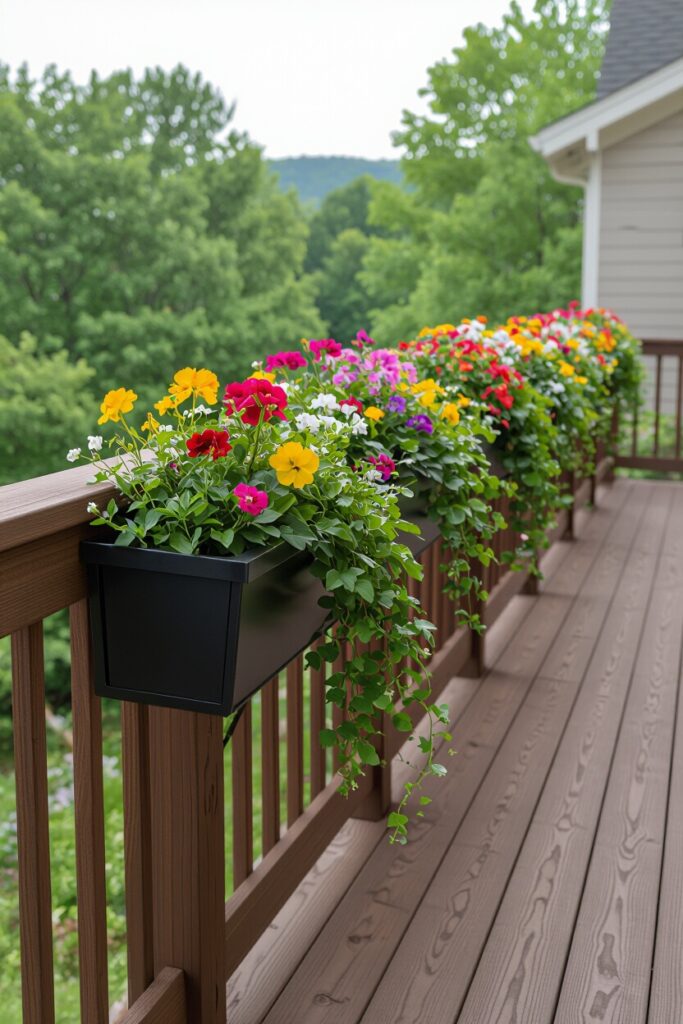
If you have a deck or raised porch, the railing can act as a long, ready-made bed. Lined planters create a neat border and surround your seating area with greenery. This layout keeps plants at eye level, so you notice changes quickly and harvest without bending.
Choose rail boxes that hook on securely, then measure once before you buy to keep the look even. Group sun lovers on the brightest stretch and shade-tolerant herbs near the door. Mix trailing flowers with compact edibles for color and food in the same row. A small side table nearby turns this strip into your morning coffee garden.
Conclusion
Now you have a full set of layouts that work in real backyards, patios, and even side yards. Pick one idea that fits the space you already have, then sketch it on paper before you move a single shovel of soil. That quick plan will save you time and help plants thrive in their new spots.
Keep this guide handy so you can mix and match ideas as your garden grows. Start small, notice what you enjoy caring for, and expand a little each season. Your yard will slowly turn into a place that feels personal, useful, and easy to maintain.