
Trying to fit enough seating into a tiny living room can get frustrating fast.
One bulky sofa or awkward chair can throw off the whole layout and make the room feel harder to use.
The good news is that a small space can still feel cozy, stylish, and easy to move through when the seating choices are smarter.
These tiny living room seating ideas are all about better flow.
You will see practical ways to add comfort without making the room feel crowded, plus fresh inspiration for a small apartment living room, a compact home, or even a studio setup.
If you want to see how seating fits into the overall design, these tiny living room ideas are a great place to start.
1. Slim Loveseat With Open Sides
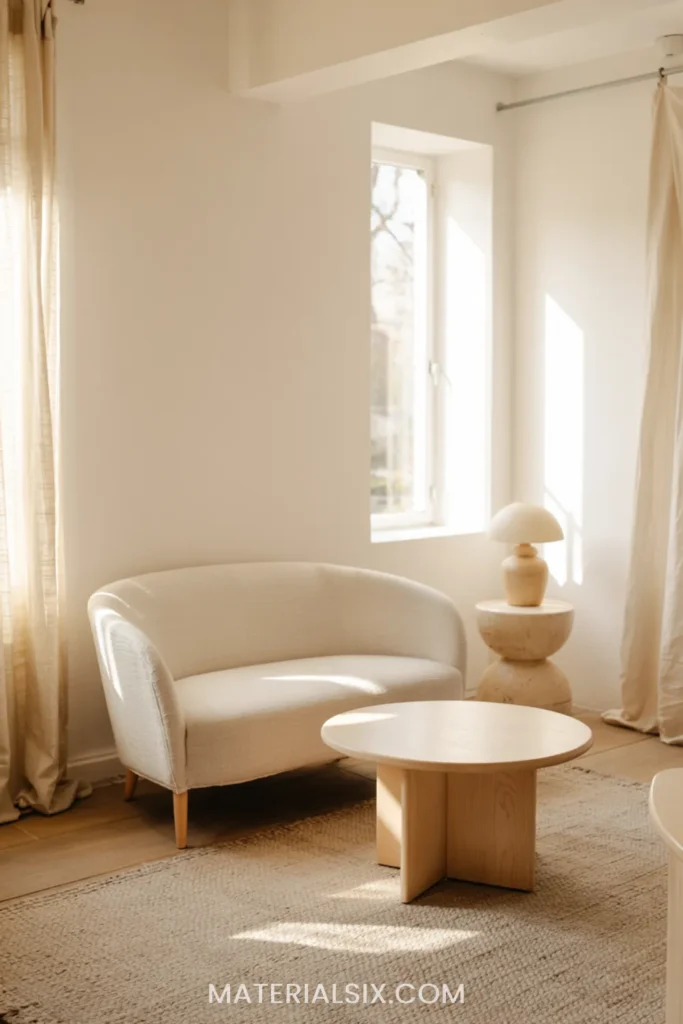
A slim loveseat is one of the easiest ways to improve flow in a tiny living room. It gives you real comfort without eating up the room like a full-size sofa can.
The narrow arms help it look lighter, while exposed legs create a little visual breathing room underneath. That small detail matters more than people think.
In a small living room, furniture that lets your eye travel through the space often makes the layout feel calmer and more open.
2. Armless Slipper Chairs Across From the Sofa
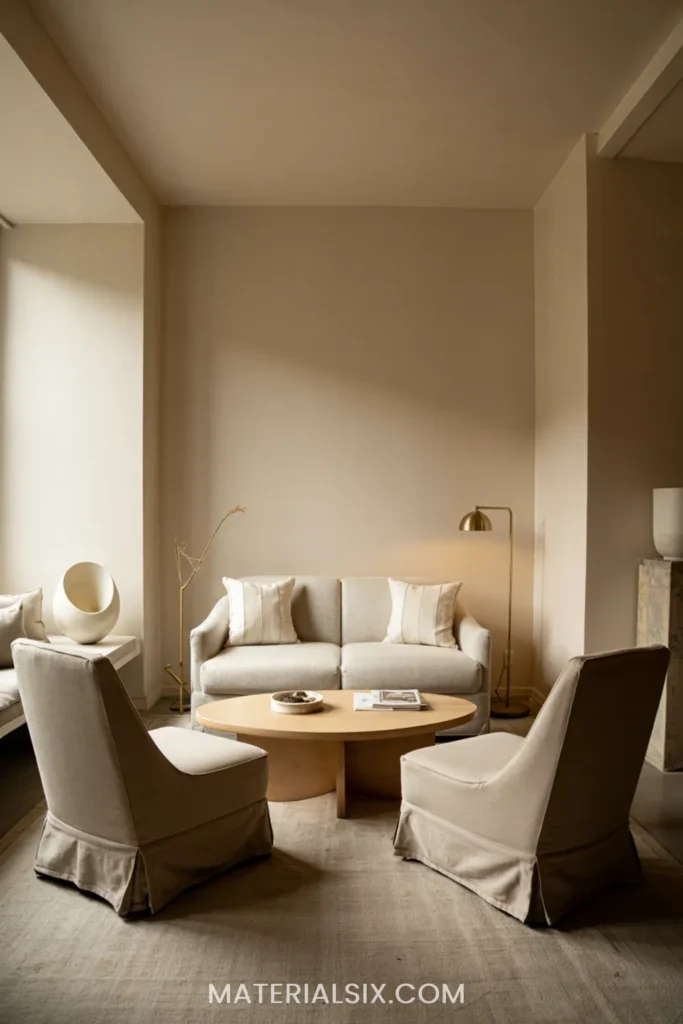
Armless slipper chairs can be a smart fix when you need extra seating but do not want the room to feel blocked.
They take up less visual space than bulky armchairs, and that helps the whole layout breathe.
In a tiny apartment living room, this kind of seating works especially well because it keeps the setup useful without feeling stuffed. You still get a conversation area, but the room feels easier to move through from one side to the other.
3. Storage Ottoman Instead of a Coffee Table
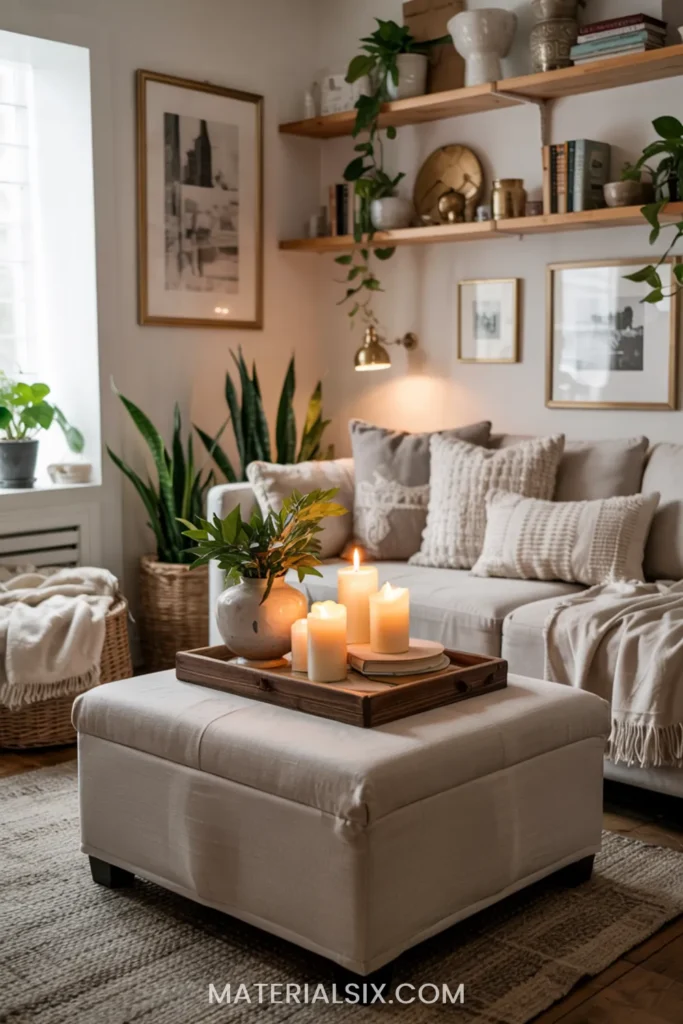
A storage ottoman does three jobs at once, and that is a big win in a small space. It can act as a footrest, an extra seat, and a place to hide everyday clutter.
That means fewer separate pieces taking up floor space. In a small apartment interior, this trick helps the room feel simpler and less crowded.
Add a tray on top and it can still handle drinks or decor without losing the soft, flexible function that makes it so useful.
4. Backless Bench Along a Blank Wall
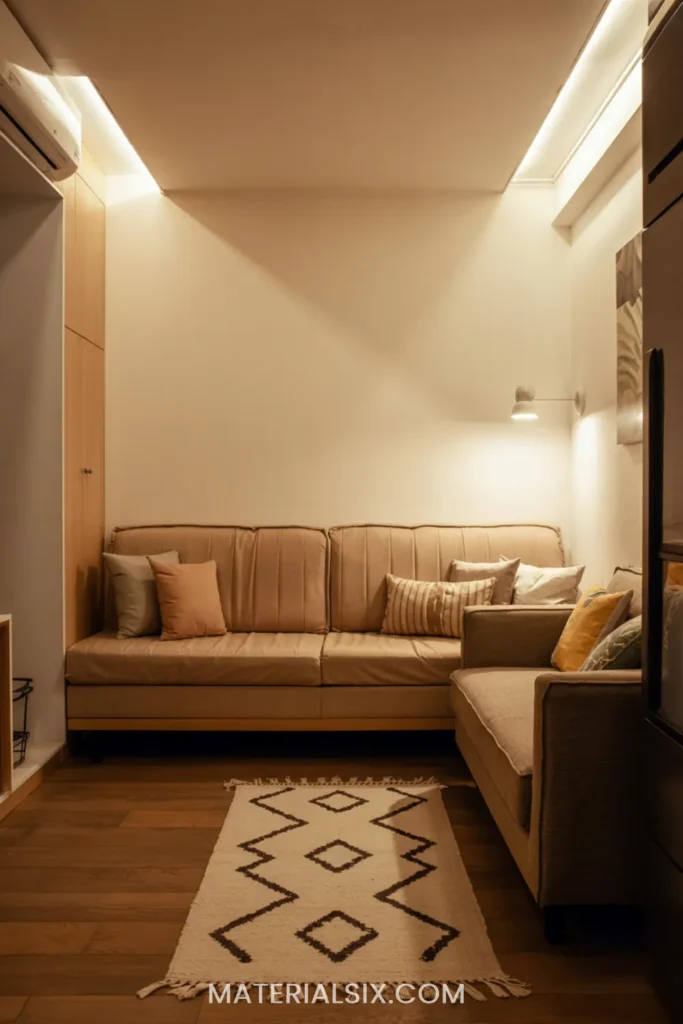
A backless bench can add seating without creating the heavy shape that a traditional chair would bring. That makes it a great option when your living room already feels tight.
The clean line keeps the room open, and the bench can seat more than one person when needed.
For tiny living room seating ideas, this one is practical because it fills an underused wall without interrupting the flow. It works especially well in narrow rooms where every inch counts.
5. Window Seat With Built-In Storage
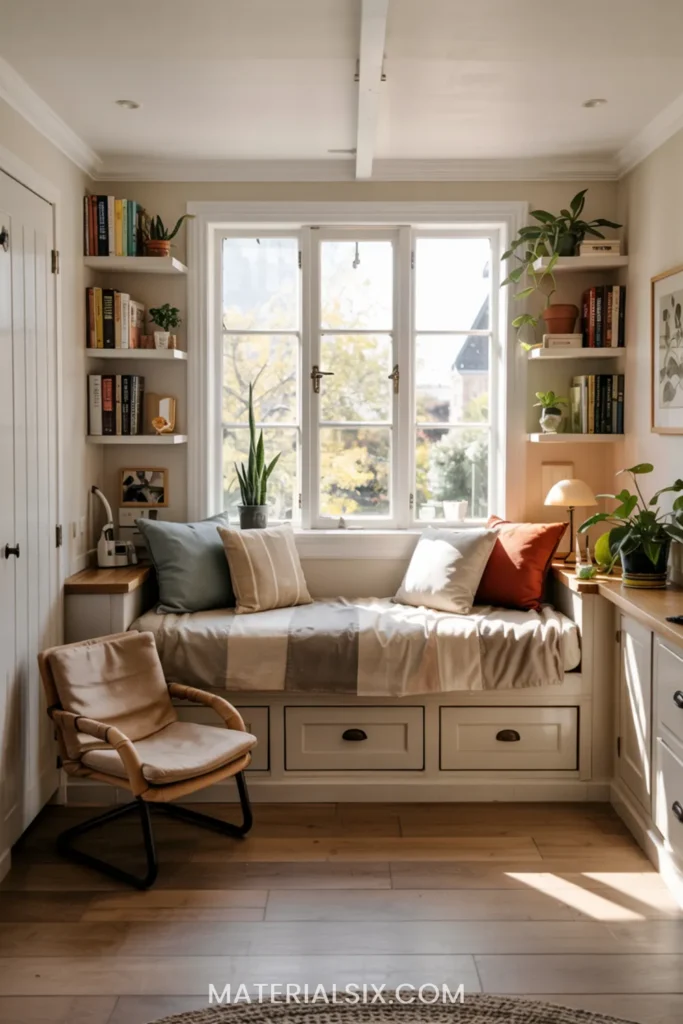
A window seat can turn dead space into one of the best spots in the room. It adds seating, gives you a cozy corner, and often reduces the need for another chair.
If it includes built-in storage, even better.
In a very small living room, this kind of setup keeps furniture from spreading too far into the center of the room. It also brings a softer look than a separate chair or bench, especially when layered with cushions and a few relaxed pillows.
6. Petite Accent Chair in One Corner
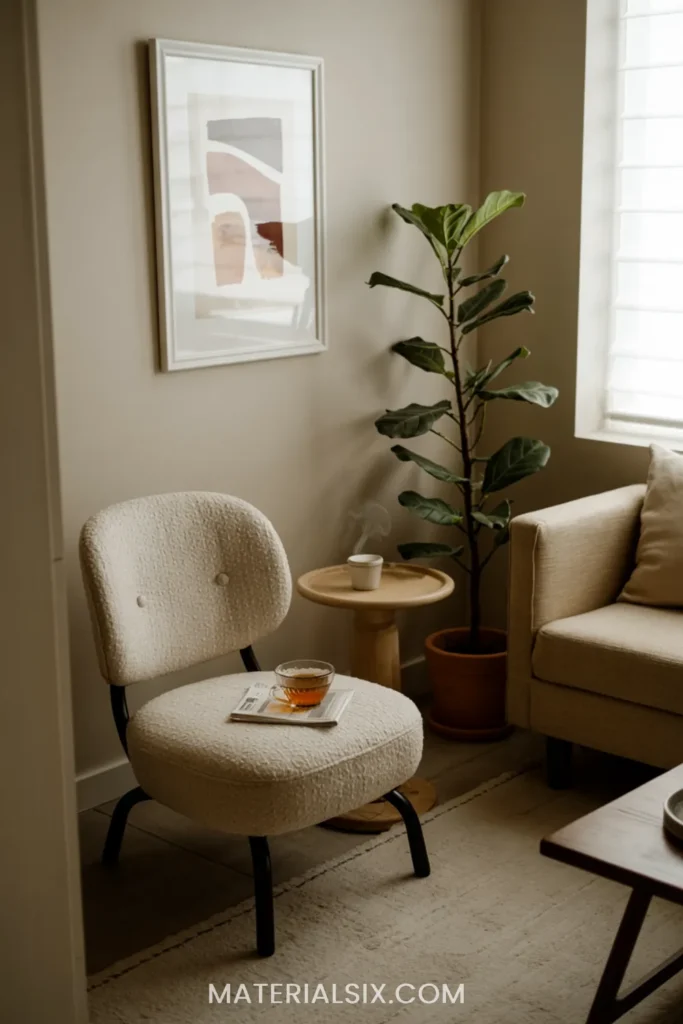
Sometimes one well-chosen chair is all a room needs. A petite accent chair can finish the layout without making the space feel cramped.
It gives the eye a place to land and makes the room feel more complete, but it does not overload the floor plan.
This is one of those small living room seating ideas that works because it respects scale. Go too large and the room feels stuck. Keep it compact and you get comfort without the squeeze.
7. Poufs Tucked Under a Console Table
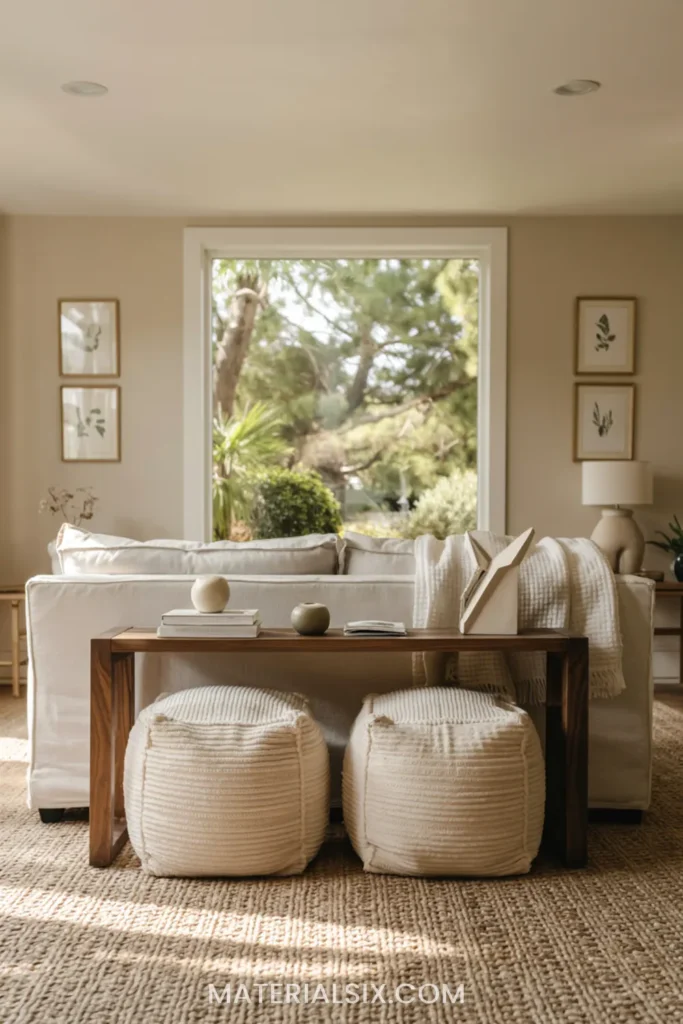
Poufs are useful because they give you seating only when you need it. The rest of the time, they can stay tucked away and out of the traffic path.
That makes them perfect for a small space living room where guest seating is helpful but permanent chairs would feel excessive.
They also bring a more casual, relaxed feel to the room. Woven, upholstered, or leather styles can all work, depending on whether your space leans cozy, modern, or a little more earthy.
8. Narrow Apartment Sofa With Raised Legs
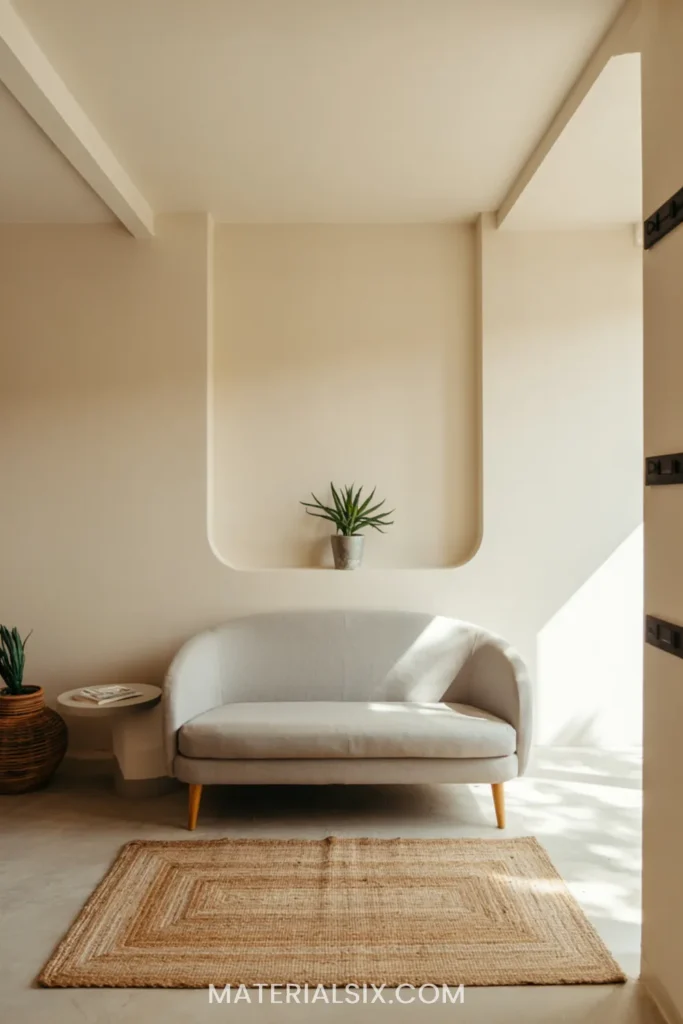
A narrow sofa can make a huge difference in a tiny room. Even shaving off a few inches in depth can improve the walking path and make the layout feel less tight.
Raised legs help too because they stop the furniture from looking too blocky.
In a tiny living room decor plan, this kind of sofa often works better than a plush oversized one. You still get a proper place to sit, but the room no longer feels like the furniture is taking over everything.
9. Daybed Styled Like a Sofa
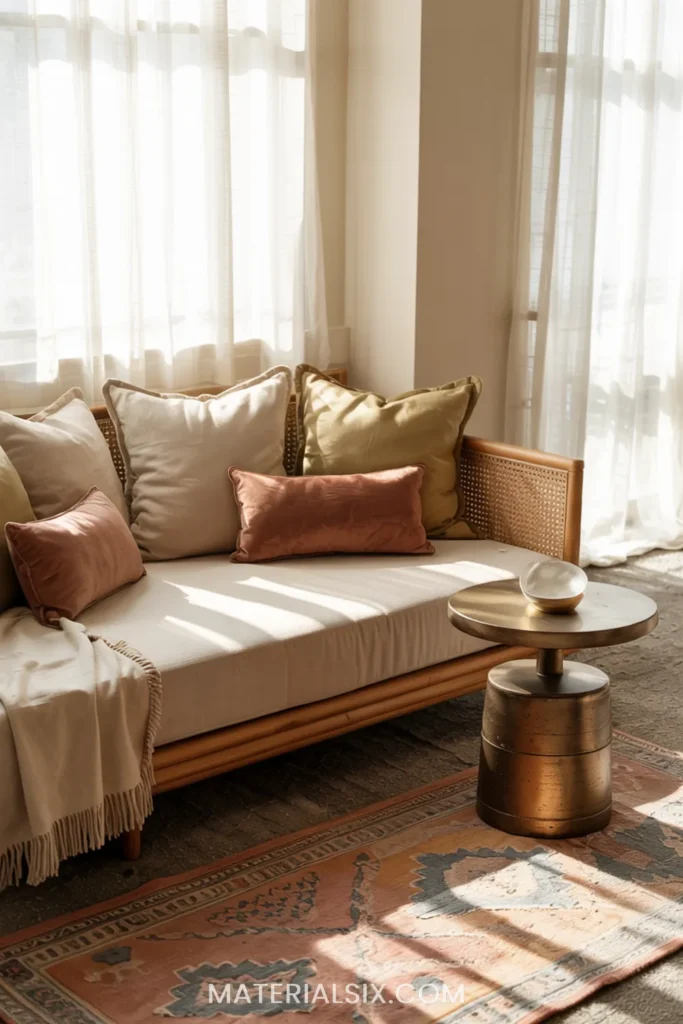
A daybed can be a smart substitute for a sofa when the room needs to do more than one job. It gives you seating during the day and can double as a guest bed when needed.
That is especially useful in a studio apartment or small home where every piece needs to earn its place.
Styled with layered pillows, it feels more inviting and less like spare furniture. The shape also tends to look lighter than some deep sofas, which helps the room stay open.
10. Floating Chair With a Small Rug Anchor
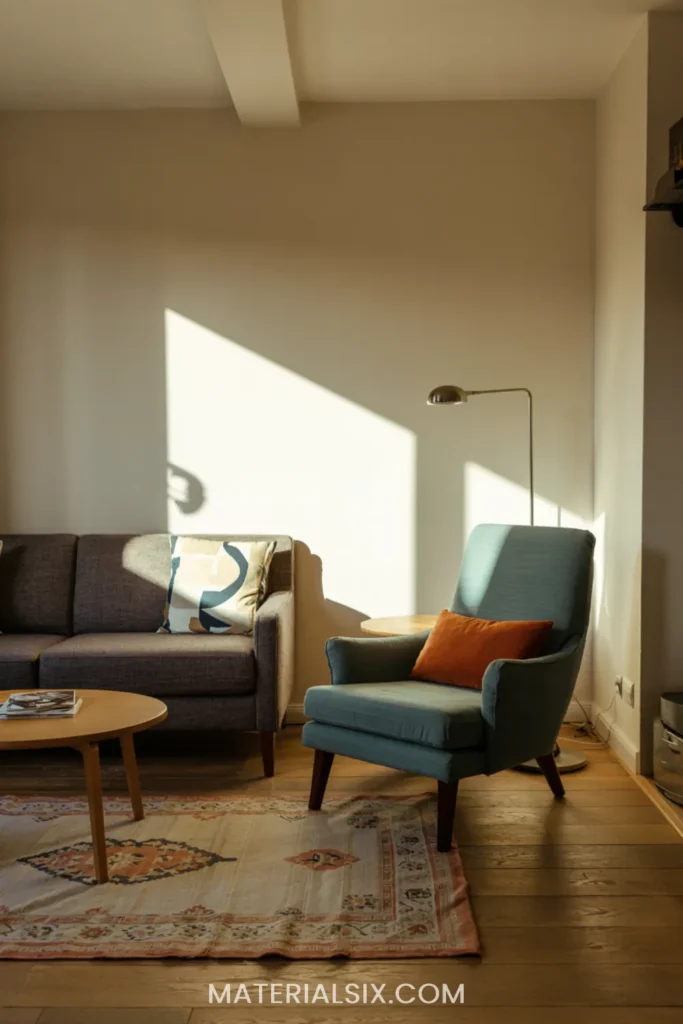
Not every chair needs to be pushed against a wall. In some layouts, floating one chair can actually improve the room by creating a more natural seating zone.
The trick is to keep it small and give it a clear reason for being there.
This works well in an awkward small living room layout where wall placement feels forced. Add a rug beneath the setup, and the arrangement feels intentional rather than random. You get comfort and better flow at the same time.
11. Nesting Stools for Flexible Guest Seating
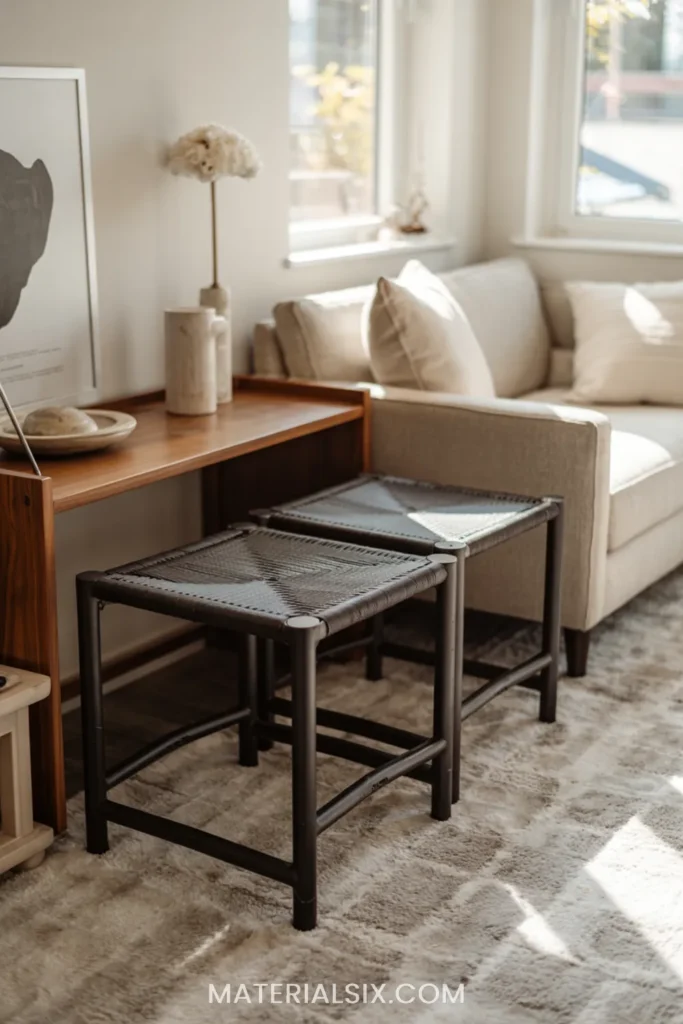
Nesting stools are easy to overlook, but they are one of the most practical space saving seating ideas for a tiny living room. They stay compact when not in use, then come out quickly when guests arrive.
That gives you flexibility without cluttering the room every day.
They can also slip under a console or side table, which keeps the main layout cleaner. If your room rarely needs lots of seating but still has to be ready now and then, this is a smart solution.
12. Low-Profile Modular Seating
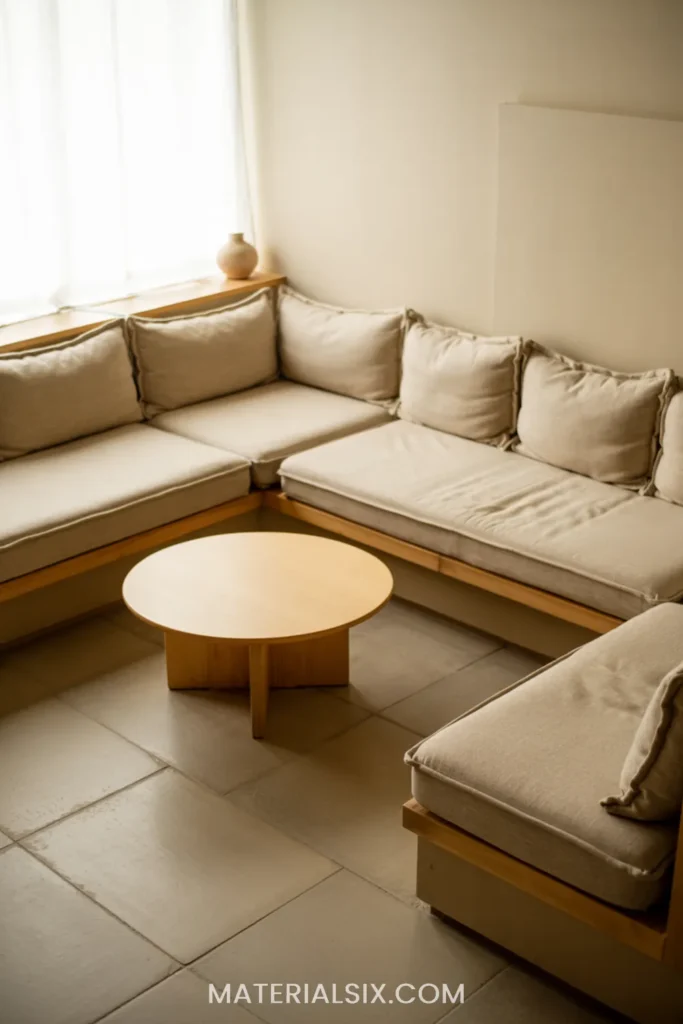
Modular seating can work well in a small room when the pieces stay low and compact. It gives you the freedom to shift things around if the layout changes or your needs do.
That flexibility is useful in a tiny apartment living room where one fixed setup may not always feel right.
The low profile also helps the room feel less crowded because it keeps sightlines more open. You still get comfort, but the furniture feels easier on the space.
13. Built-In Bench Beside the Entry Side
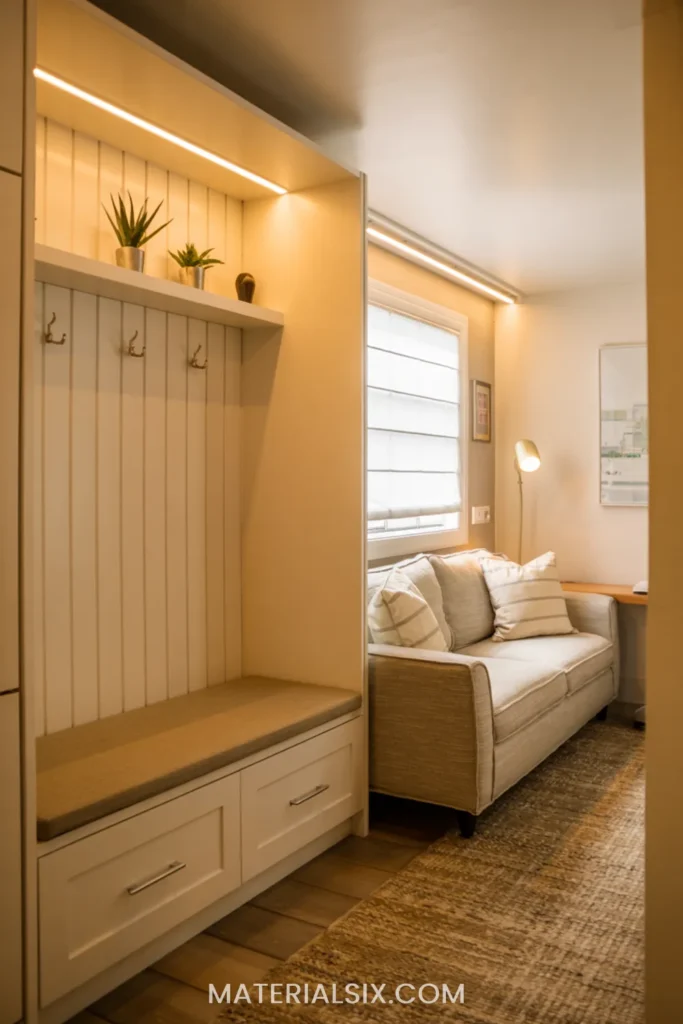
If your living room opens right into an entry area, built-in seating can help that edge of the room work harder.
A bench along that side gives you one more place to sit without adding another bulky furniture piece. It also keeps the layout cleaner because the seat blends into the wall instead of standing apart from it.
In a small apartment living room, that kind of integration matters. The room feels more intentional, and the flow stays smoother from door to sofa.
14. Floor Cushions for Casual Seating Nights
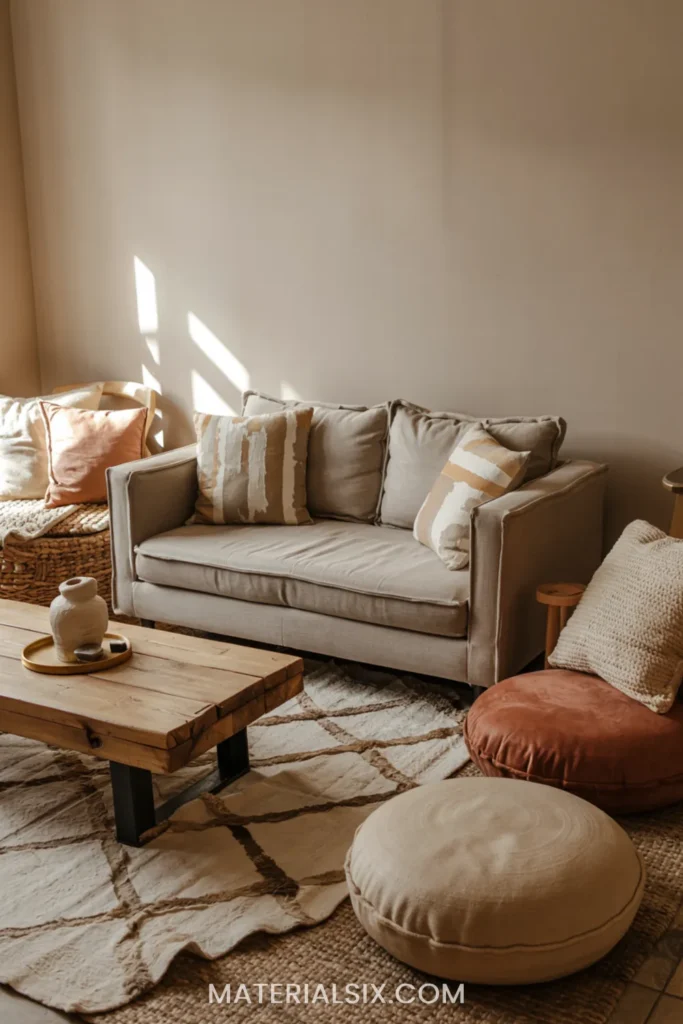
Floor cushions are a nice option when you want occasional seating without adding more furniture full time.
They bring a relaxed feel and can be stored away after movie night or when friends stop by. This idea works best in a room that already leans casual and comfortable.
For a cozy tiny living room, floor cushions can make the space feel welcoming rather than overplanned. They are especially useful when the room is too small for another chair but still needs some flexibility.
15. Compact Barrel Chair With Soft Curves
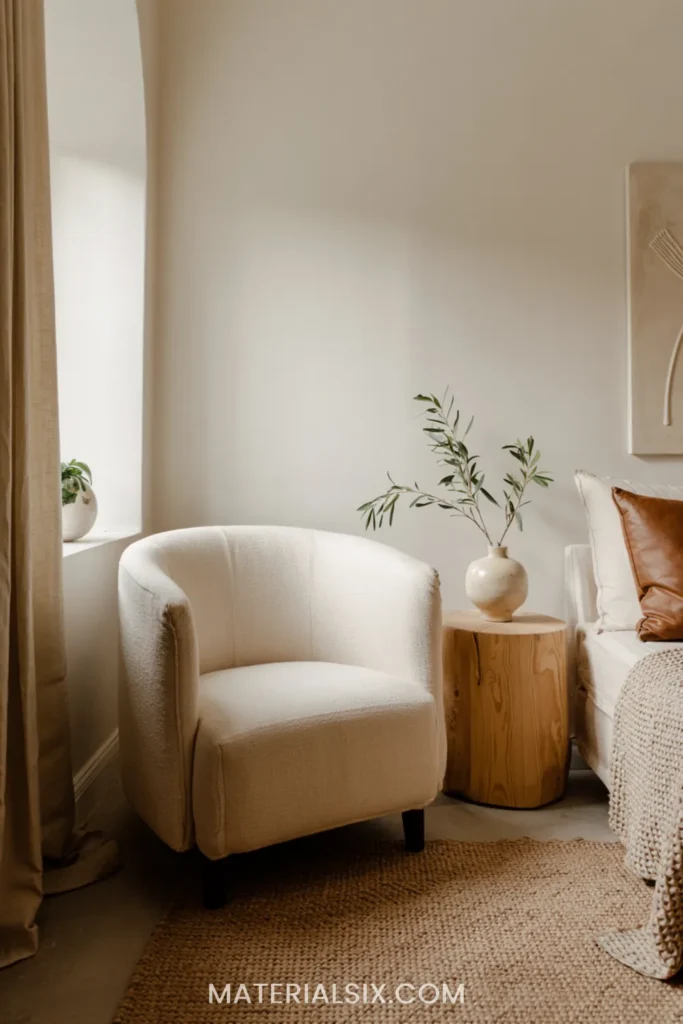
A compact barrel chair can soften a room filled with straight lines and corners. The curved shape makes the layout feel more relaxed, and when the chair is kept small, it does not interrupt the flow too much.
This is a good option if you want something more stylish than a basic slipper chair but still need the scale to stay controlled.
In tiny living room seating ideas, shape matters just as much as size. Softer lines can make a tight room feel more inviting.
16. Bench Behind the Sofa for Extra Seating
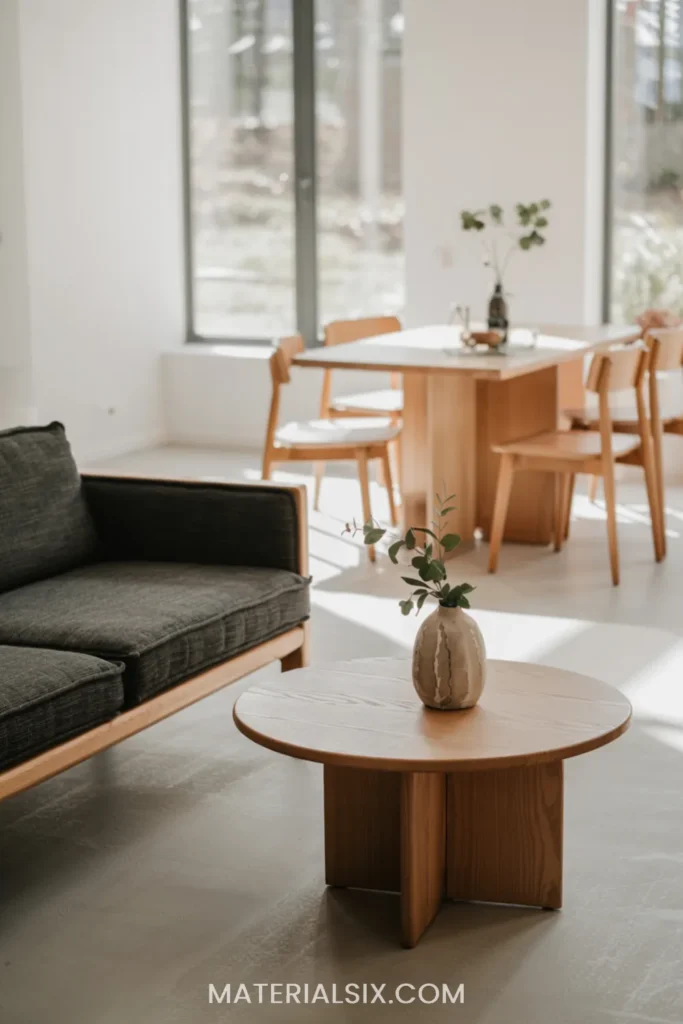
A bench behind the sofa is useful in small open spaces because it adds seating without crowding the main conversation area.
It works best when there is already a little passage space behind the sofa and you want that area to do more.
Compared with another chair, a bench keeps the room looking cleaner and lower profile. In a small living room and dining room setup, this kind of seating can help one zone feel connected to the next without adding visual clutter.
17. Minimal Two-Seat Setup With One Statement Chair
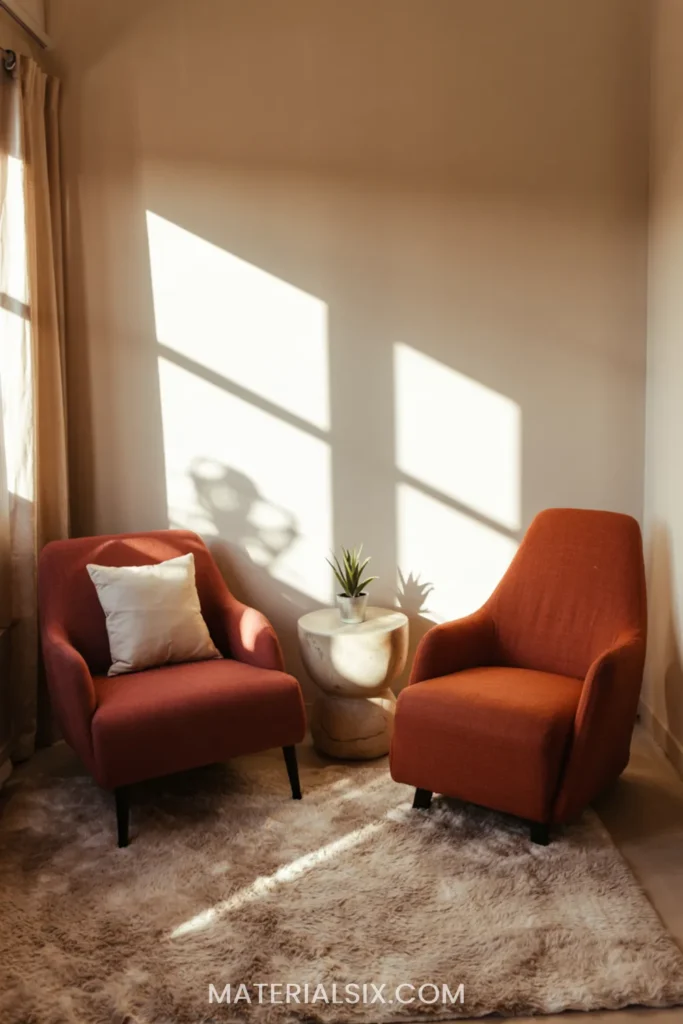
Sometimes the best thing you can do is keep the setup simple. One loveseat and one good chair may be all a tiny living room really needs.
That kind of restraint can make the room feel much better than trying to squeeze in too many pieces.
This layout gives you enough seating for daily life while keeping the floor plan open and easy to use. For extremely small living room ideas, this is often the smartest route: fewer pieces, better scale, and a calmer result.
Conclusion
The best tiny living room seating ideas are the ones that make your room feel easier to use, not just fuller. In a small space, flow matters just as much as comfort.
A loveseat with a smaller footprint, a tucked-away pouf, or a bench that works a little harder can completely change how the room feels day to day.
When choosing seating, think less about filling every corner and more about how the room moves. That is usually the difference between a cramped layout and a space that feels cozy, useful, and surprisingly open.