
Have you ever opened a new Dremel kit and wondered what all those little bits are for? You’re not alone. With so many shapes, sizes, and materials, choosing the right bit can feel overwhelming.
The truth is, each Dremel bit is designed for a specific task, and once you know what they do, your projects become easier, faster, and far more polished.
Whether you’re a beginner tackling your first DIY project or an experienced maker refining your craft, this guide will help you understand the essentials and pick the right bit every time.
What Are Dremel Bits?

Dremel bits are the interchangeable tips that attach to your rotary tool, allowing you to cut, carve, grind, sand, polish, and more.
Think of them as the “brushes” in an artist’s toolkit—each one has a unique purpose. Unlike larger power tools, the Dremel relies on precision, and the bit you choose directly affects the outcome of your project.
It’s also important to note the difference between bits, attachments, and accessories: bits handle the cutting or shaping, while attachments and accessories support or enhance those functions.
Understanding this distinction helps you get better results and avoid frustration.
Types of Dremel Bits and Their Uses
Cutting Bits

Cutting bits are designed to slice through materials like wood, plastic, and even thin metal. They’re ideal when you need precise, clean lines or want to shape a piece down to size.
Some cutting wheels are reinforced for durability, making them last longer when working with harder surfaces.
For beginners, these bits are often the first step toward mastering the versatility of a Dremel tool.
Carving and Engraving Bits

If you’re looking to add detail and creativity, carving and engraving bits are your go-to.
These bits come in various shapes, such as ball, cone, or flame tips, which allow you to etch intricate designs into wood, glass, or metal.
They’re a favorite among hobbyists who enjoy customizing projects with personal touches like names, patterns, or artwork.
Sanding Bits

Sanding bits include drums, discs, and bands, each suited for smoothing surfaces or shaping edges.
They’re essential for preparing wood before staining or paint, and they can also be used to round off sharp corners.
Because sanding wears down bits quickly, it’s wise to keep extras on hand, especially if you’re working on larger projects.
Grinding and Sharpening Bits

These bits are designed for tougher jobs, like sharpening blades, grinding down welds, or smoothing stone edges.
They’re typically made from durable materials such as aluminum oxide or silicon carbide.
With the right grinding bit, you can restore old tools, repair chipped edges, or create smooth finishes on metal surfaces.
Polishing Bits

Polishing bits, often made of felt or cloth, bring a shine to surfaces like jewelry, glass, or metal.
With a dab of polishing compound, they can restore dull objects to a near-new finish.
These bits are perfect for delicate work where you need both control and finesse.
Specialty Bits

Specialty bits include diamond-coated tips for engraving hard materials, tungsten carbide bits for heavy-duty carving, and multipurpose bits that adapt to a wide range of tasks.
These are excellent for those who want to push the limits of what their Dremel can do.
They may cost more, but their durability and performance often make them worth the investment.
Choosing the Right Bit for Your Project

Selecting the right Dremel bit can feel tricky, but a few key factors make it easier. The first step is to match the bit to your material.
Wood, metal, glass, ceramic, and stone each require specific types of bits designed to handle their hardness. For example, a simple high-speed cutter works well for soft wood, but engraving on glass demands a diamond bit.
Speed is another important consideration. Dremel tools spin at high RPMs, and each material responds differently. Too much speed on wood can burn the surface, while too little on metal may leave uneven edges. Following the recommended speed settings ensures smoother results.
Durability and cost also play a role. Cheaper bits wear out quickly, especially with frequent use on tough materials. Investing in carbide or diamond-coated bits may save you money in the long run.
Finally, consider whether to buy individual bits or starter sets. Beginners often benefit from multipurpose sets, while seasoned users may prefer hand-picking specialized bits for their specific projects.
Essential Dremel Bit Sets to Own
Beginner-Friendly Kits

If you’re just starting, a general-purpose bit set is the best investment. These usually include cutting wheels, sanding drums, polishing pads, and a few engraving tips.
They give you enough variety to experiment with different materials without spending too much.
Wood Carving Sets
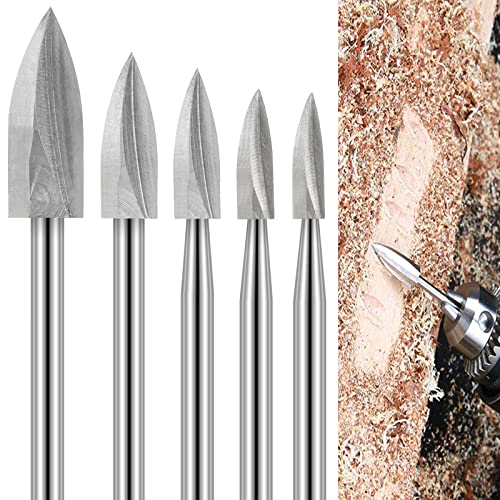
For hobbyists who enjoy working with wood, specialized carving sets are a must. They often include high-speed cutters, burr bits, and engraving tips in different shapes. These bits allow you to add intricate detail to furniture, crafts, or even decorative signs.
Metalworking Sets
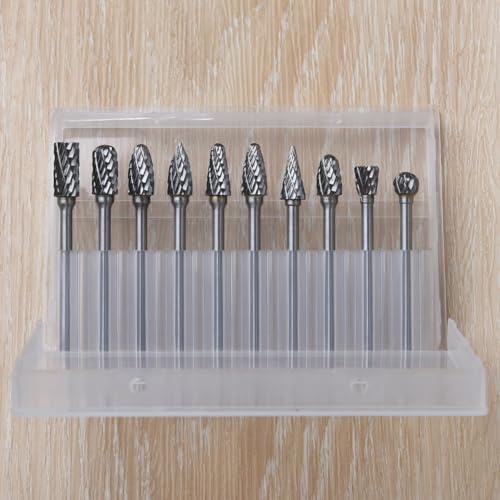
Metal is tougher on bits, which is why carbide and reinforced cutting wheels are common in metalworking kits. These sets usually focus on grinding, cutting, and polishing attachments designed to handle the heat and friction of working with harder surfaces.
All-Purpose DIY Sets

For homeowners who use their Dremel for odd jobs, all-purpose sets are a great choice. They typically include a mix of bits for cutting, sanding, polishing, and grinding.
With one kit, you can handle everything from fixing jewelry to trimming screws or polishing kitchen hardware.
Tips for Using Dremel Bits Effectively
Using Dremel bits correctly not only improves your results but also helps extend their lifespan.
Always start with proper safety gear—goggles protect your eyes from flying debris, and a dust mask keeps fine particles out of your lungs. Gloves can help too, but make sure they don’t interfere with your grip.
Control your speed for the best outcome. Running at maximum RPM may seem efficient, but it can burn wood, crack glass, or wear out bits faster. Instead, adjust the speed to the material and the bit type.
Proper handling is key. Let the bit do the work rather than forcing it against the surface. Gentle, steady pressure gives cleaner cuts and prevents the bit from snapping.
To extend the life of your bits, clean them after use to remove buildup and avoid overheating by giving them breaks during longer tasks.
Finally, be mindful of common mistakes like using the wrong bit for the job or skipping speed adjustments—both can lead to poor results and unnecessary wear.
Maintenance and Storage of Dremel Bits
Taking care of your Dremel bits ensures they last longer and perform better.
After each use, clean the bits to remove resin, dust, or metal shavings that can build up and reduce efficiency. A small wire brush or even a soak in cleaning solution works well for this.
Proper storage is just as important. Instead of tossing bits into a toolbox, keep them organized in labeled containers or storage cases.
Many kits come with molded cases, but a simple divided organizer works just as well. This prevents damage and makes it easier to grab the bit you need quickly.
Knowing when to replace bits is another part of maintenance. If a sanding drum no longer smooths surfaces, or a cutting wheel becomes too thin, it’s time for a replacement.
Using worn-out bits not only gives poor results but can also put extra strain on your Dremel tool. By keeping your bits clean, stored properly, and swapped out when necessary, you’ll save time, money, and frustration.
Frequently Asked Questions
Can Dremel bits fit other rotary tools?
Yes, most Dremel bits can be used with other rotary tools as long as the collet size matches. Many tools use the standard 1/8-inch shank, but always double-check compatibility before buying.
Which Dremel bit lasts the longest?
Carbide and diamond-coated bits typically last the longest because they’re designed for heavy-duty use. While they cost more upfront, they hold up well against hard materials like stone, metal, and glass.
What’s the difference between high-speed cutters and carbide bits?
High-speed cutters are designed for softer materials like wood and plastic, giving you smooth shaping and carving. Carbide bits, on the other hand, are tougher and made for hard materials such as metal or stone.
Are diamond bits worth the price?
If you plan to work with glass, ceramic, or stone, diamond bits are worth it. Their durability and precision make them ideal for engraving or detailed cutting where other bits would quickly wear out.
Conclusion
Dremel bits might seem small, but they hold the power to completely change how your projects turn out. From cutting and sanding to engraving and polishing, each bit has a specific role that makes your work smoother and more precise.
Once you understand which bit to choose, how to use it properly, and how to care for it, you’ll notice an immediate difference in both the quality and ease of your projects.
Whether you’re a weekend DIYer or someone who creates every day, this guide gives you the confidence to get the most out of your rotary tool. So grab the right bit, set your speed, and let your creativity take off!